
Home » Emerging Contaminants Outreach » Private Well PFAS Exceedance Toolkit for Local Health
Private Well PFAS Exceedance Toolkit for Local Health
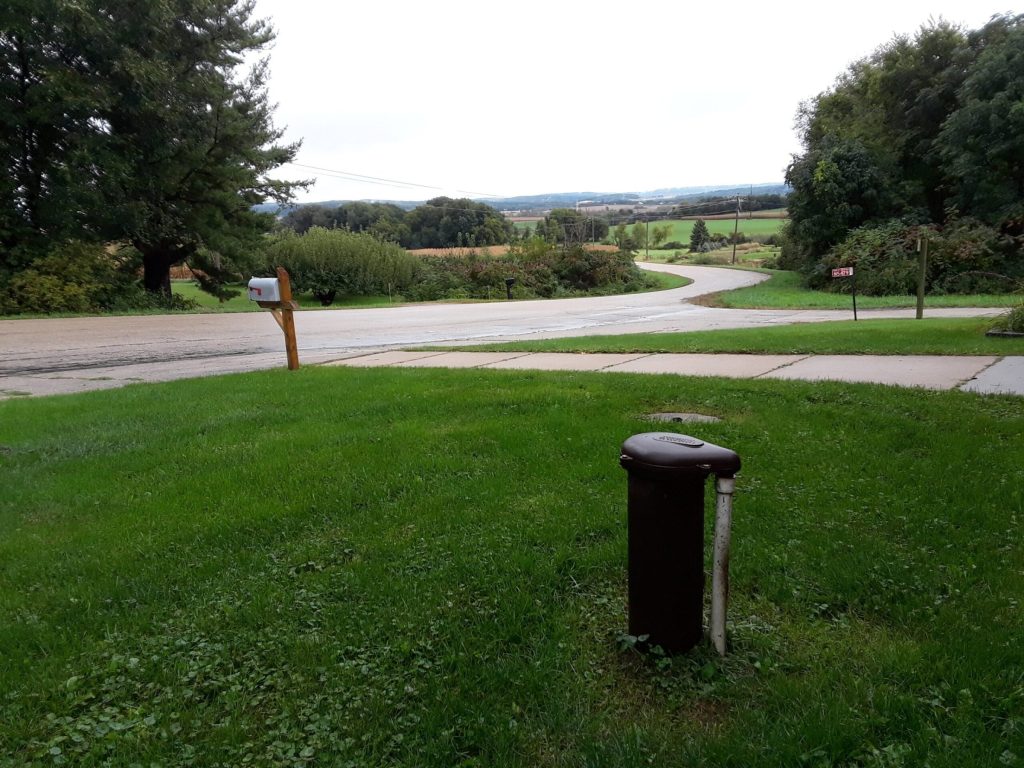
Private Well PFAS Exceedance Toolkit for Local Health
The Private Well PFAS Evaluation Toolkit (PW-PFASET) is a comprehensive resource that helps local and tribal health departments or other suitable organizations plan, conduct, and communicate PFAS private well sampling efforts in their communities. The toolkit outlines how to prepare for sampling, the sampling process, tracking testing results, and sharing results with participants.
Introduction to PFAS
PFAS, which stands for per and polyfluoroalkyl substances, are a group of synthetic chemicals that have been used in many everyday products since the 1940s. These include things like firefighting foam, non-stick pans, water and stain-resistant fabrics, fast food packaging, and personal care products. PFAS don’t break down easily, which makes them useful, but also means they stick around in our environment for a long time, earning them the nickname “forever chemicals.” People can be exposed to PFAS through drinking contaminated water, eating contaminated food, breathing in or swallowing contaminated dust, or using products that contain PFAS.
The Wisconsin Department of Health Services (DHS) explains long-term human exposure to PFAS may have harmful health effects including but not limited to increased risk of thyroid disease, increased risk of some cancers, increased risk of pregnancy complications, increased cholesterol levels, and more. The presence of PFAS in drinking water may pose a significant public health threat, so the Environmental Protection Agency (EPA) and Wisconsin DHS have each established their own drinking water standards for certain PFAS compounds.
| PFOA = 4 ng/L | PFNA = 10 ng/L | PFUnA = 3,000 ng/L |
| PFOS = 4 ng/L | PFHxS = 10 ng/L | PFBA = 10,000 ng/L |
| FOSA = 4 ng/L | GenX (HPFO-DA) = 10 ng/L | PFTeA = 10,000 ng/L |
| NEtFOSA = 4 ng/L | PFDA = 300 ng/L | PFHxA = 150,000 ng/L |
| NEtFOSAA = 4 ng/L | PFDoA = 500 ng/L | PFODA = 400,000 ng/L |
| NetFOSE = 4 ng/L | DONA = 3,000 ng/L | PFBS = 2,000 ng/L |
- Units are nanograms of PFAS per liter of water (ng/L). This is equal to parts per trillion (ppt).
- Bolded text indicates state groundwater standard recommendations. Text that is not bold indicates state drinking water health advisory levels.
Conducting Private Well Research
To better understand the extent of PFAS environmental contamination in Wisconsin, it is essential to collect data. PFAS are an emerging contaminant with a lot of unknowns, including uncertainties about its extent of contamination in Wisconsin groundwater. Conducting PFAS private well water sampling helps communities identify risk patterns, protect vulnerable households, and guide long-term planning. PFAS exposure should be dealt with proactively, so the PW-PFASET was designed to help empower Wisconsin communities to take informed action on this public health concern.
The toolkit offers ready-to-use templates, outreach materials, protocols, and best practices to reduce project time and increase capacity for PFAS private well sampling efforts. It has three sections: Preparing to Sample for PFAS, Sampling Process, and Tracking PFAS Testing Results and Sharing Results with Participants. Each section can be utilized on its own, or the toolkit can be used to design a project from start to finish.
Preparing to Sample for PFAS
A short paragraph about this section of the page.
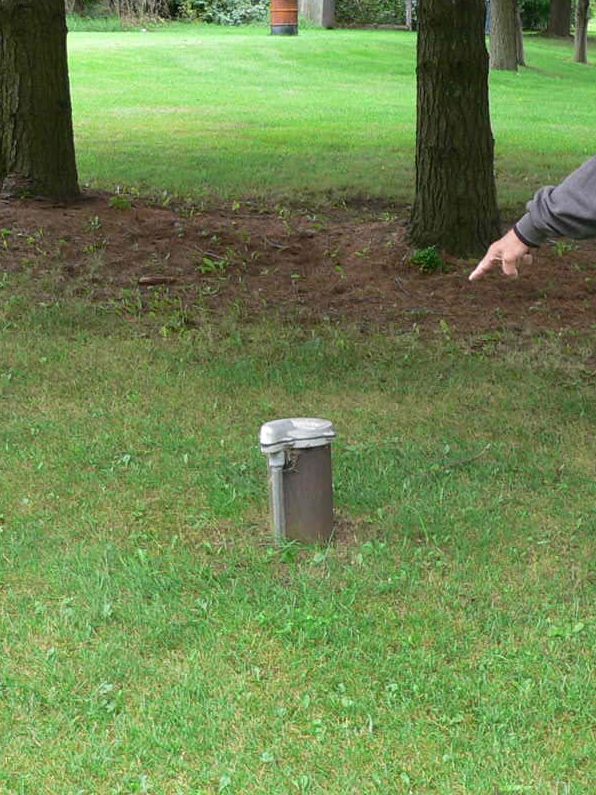
This section of the toolkit provides guidance on identifying private wells in Wisconsin and conducting outreach to private well owners. The Well Identification document explains where to locate private well information and includes a template for collecting and organizing well data. It also offers additional guidance and resources to help determine which wells to prioritize for PFAS sampling.
The Initial Outreach document provides recommendations for establishing project partnerships and outlines how to request PFAS sampling kits. It also includes customizable outreach materials to help recruit project participants.
Together, these resources will help project leaders identify wells for outreach and develop a clear plan to begin sample collection.
“Prepare for Sampling” Guides and Templates
Initial Outreach Guide
Well Identification Guide
Well Identification Spreadsheet Template
Postcard Template
Introductory Letter Template
Online Survey Template
Mail-in Survey Template
PFAS Flyer Template
Sampling Process
This section of the toolkit outlines best practices for efficiently collecting PFAS samples within the community and effectively communicating with participants throughout the process.
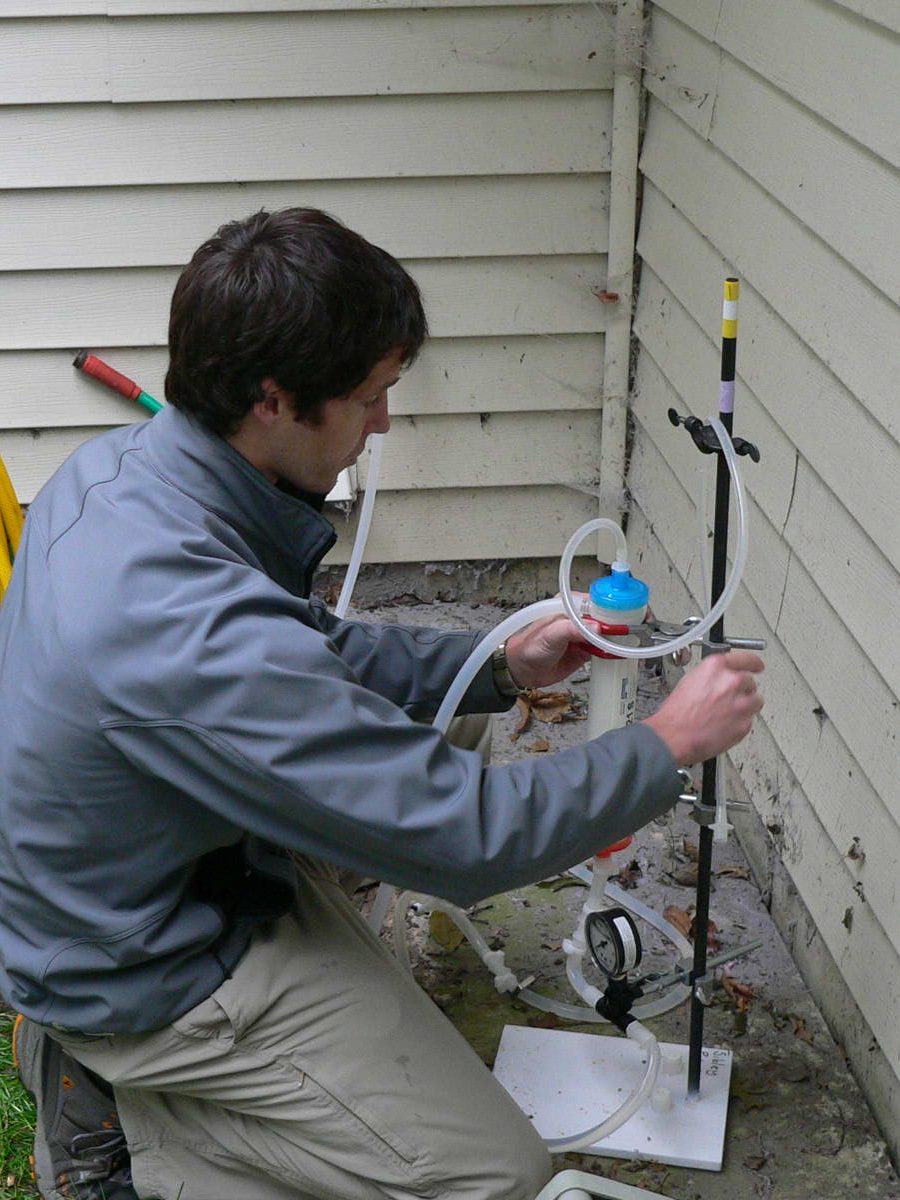
The Creating a Sampling Plan document offers guidance on coordinating with participants and provides strategies for expanding recruitment efforts. The Executing Sampling document includes practical advice and resources to support project teams during the PFAS private well sample collection process.
These materials are designed to help ensure sampling is organized and consistent.
“Sampling Process” Guides and Templates
Creating a Sampling Plan Guide
Executing Sampling Guide
PFAS in Water Sample Handling Instructions
PFAS Sampling Tutorial Video
Project Description and Contacts Template
Tracking PFAS Testing Results and Sharing Results with Participants
This section of the toolkit provides guidance on interpreting, tracking, and communicating PFAS drinking water test results.
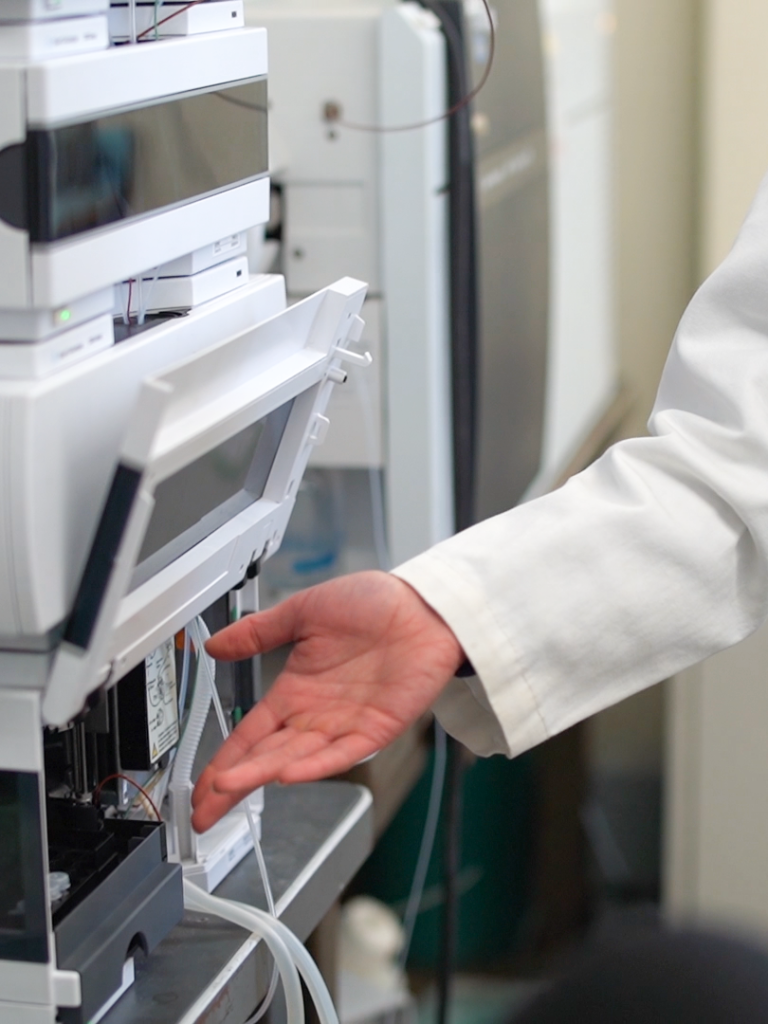
The Interpreting and Tracking Results document outlines methods for logging test results and private well data, and it includes a template for data storage. The Sharing Results With Participants document highlights key resources to share with participants and provides customizable templates for PFAS private well testing result letters.
Together, these tools support clear data management and transparent, timely communication with well owners.
“Tracking and Sharing” Guides and Templates
Interpreting and Tracking Results Guide
Sharing Results with Participants Guide
Well and Result Data Template
Results Letter Template – Levels Above Health Guidelines
Results Letter Template – Levels Below Health Guidelines
Results Letter Template – Hazard Index Over 1
Results Letter Template – No Detects
Funding Acknowledgments
This toolkit was developed with funds provided by the Wisconsin Department of Natural Resources through the Joint Solicitation for Groundwater Research and Monitoring Program.