

PFAS Communications Guide
PFAS in Drinking Water Communications Guide
A Guide for Communicating about PFAS in Public Water Systems
Researchers from the University of Wisconsin-Madison, including the Division of Extension, Department of Communication Arts, Department of Life Sciences Communication and Wisconsin Sea Grant, teamed up to study public perceptions of PFAS risk. This guide outlines the main research findings in a practical, easy-to-use way for public health officials to use in their work.
This guide explores how communities perceive risks from contaminants in their drinking water and identifies where current communications often fall short. Use this resource to create messaging that is clear, culturally nuanced, and provides the actionable solutions your community needs.
Key Findings for Public Health Communicators
Use the same language the public uses – more searchers use “PFAS” than other technical terms.
People overwhelmingly search using “PFAS” (6× more than “forever chemicals”), and rarely use technical names like PFOS or PFOA. Using these popular terms in headlines, social media, and web content improves search visibility and ensures messages appear in the same digital spaces where people are seeking answers.
Emphasize actionable guidance.
Nearly half (48.9%) of PFAS-related searches ask how to filter or remove PFAS from water. Far fewer ask about what PFAS are or where they come from. Communicators should prioritize practical self-efficacy information—how to test water, what filters work, and what bottled or tap water is safe—rather than focusing primarily on the chemistry or uncertainty of PFAS hazards.
Frame messages around exposure reduction and safety choices, not just risk awareness.
Searchers’ questions reveal that the public already perceives PFAS as something to avoid and wants to know how to act. Effective communication should reinforce this motivation by framing content around clear, feasible behavior changes—such as selecting affordable filtration systems or identifying PFAS-free water sources—especially for communities most affected by contamination.
Communications Tutorials
Trends in PFAS searches online
Learn how the public is searching for PFAS online and get recommendations to improve the visibility of your outreach materials.
Trends in PFAS communications online
Learn how different organizations communicate about PFAS online, such as the kind of language used and how they portray the risks associated with PFAS.
Effective PFAS communications
Learn how to create online PFAS outreach materials that encourage the public’s engagement.
Effective Facebook Messaging about PFAS
Learn what types of messaging engage the public on Facebook.
Key Messages for Public Health Communicators
Select the type of message you want to convey for communication examples.
Self-Efficacy
These emphasize the individual’s ability to perform the recommended action (e.g., using a pitcher filter).
Collective Efficacy
These emphasize the overall effectiveness of the recommended action (e.g., using a pitcher filter).
Susceptibility
These focus on the serious consequences of PFAS exposure.
Severity
These focus on how personally at risk individuals are to PFAS exposure.
Self-Efficacy for Spanish Language Speakers
These emphasize the individual’s ability to perform the recommended action (e.g., using a pitcher filter). These messages were developed in collaboration with Wisconsin EcoLatinos.
Risk for Spanish Language Speakers
These focus on how personally at risk individuals are to PFAS exposure. These messages were developed in collaboration with Wisconsin EcoLatinos.
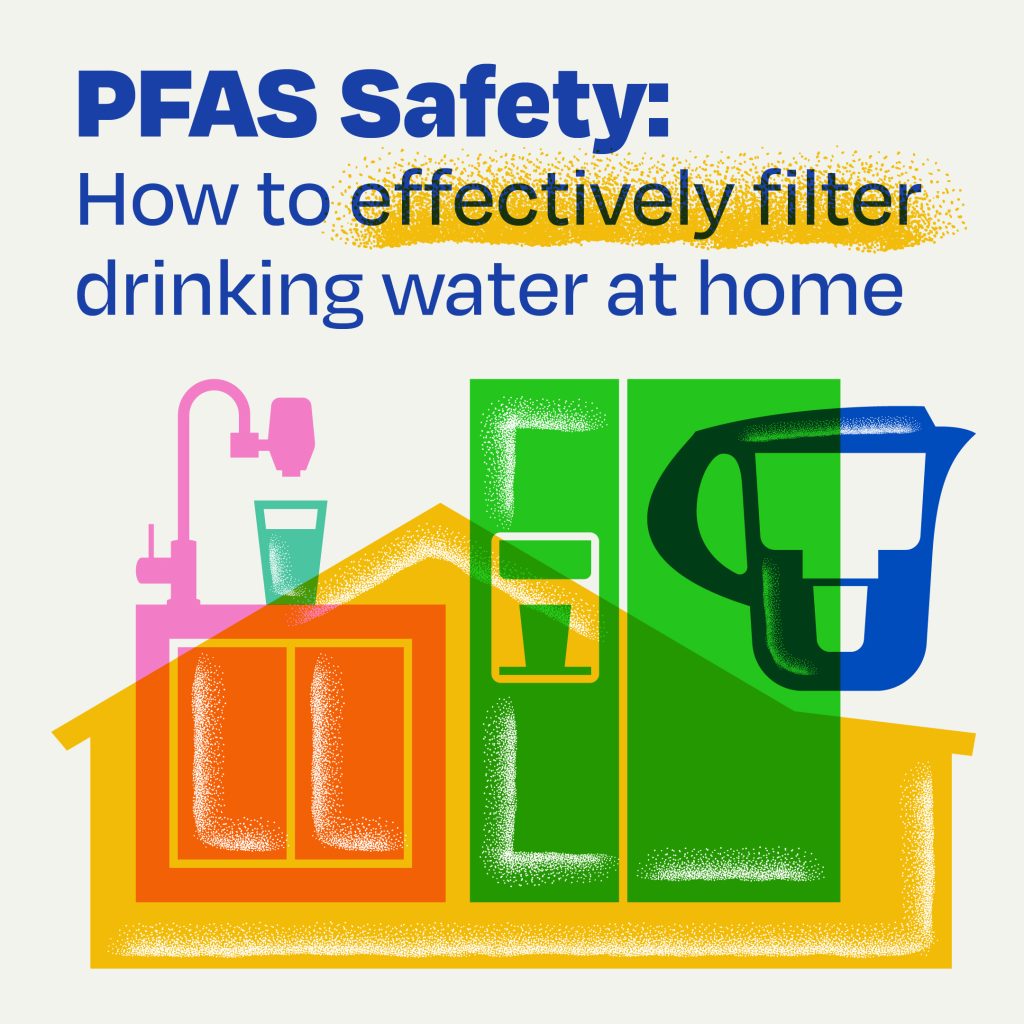
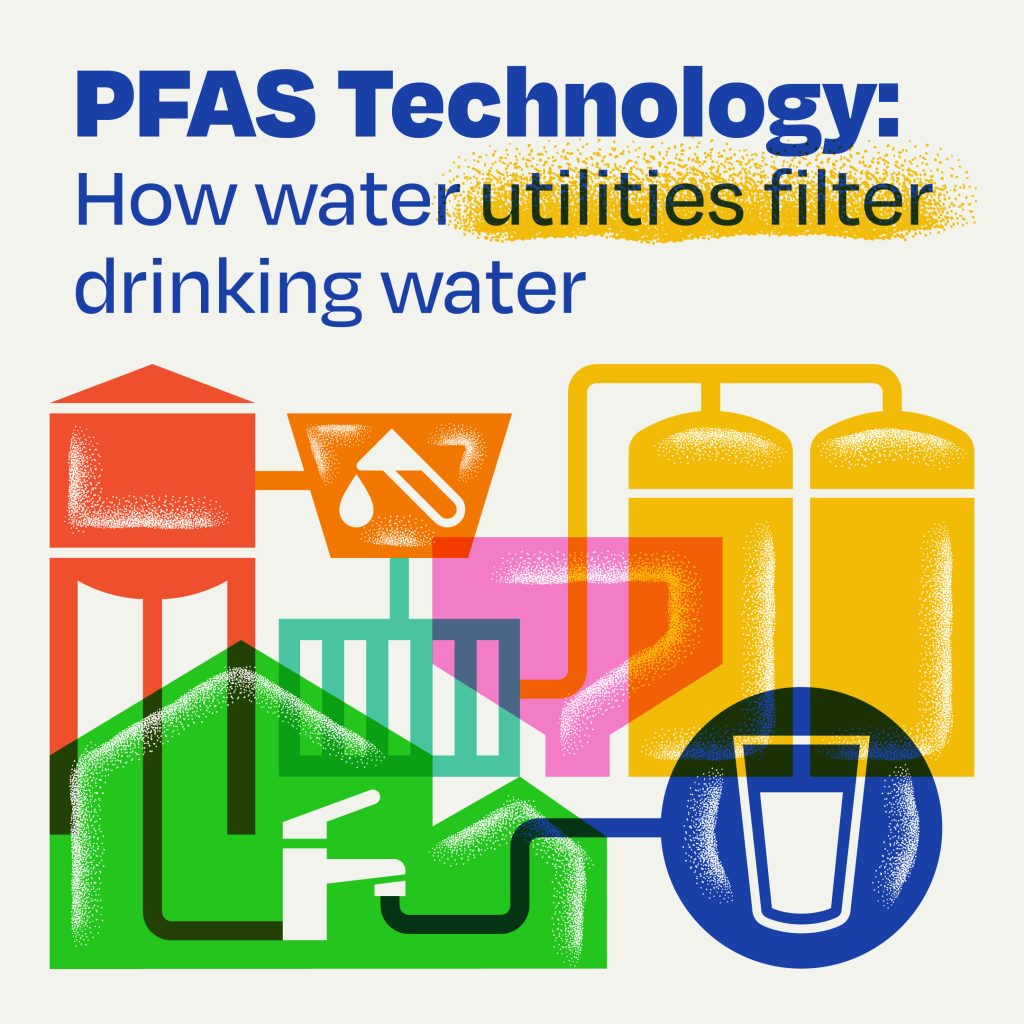
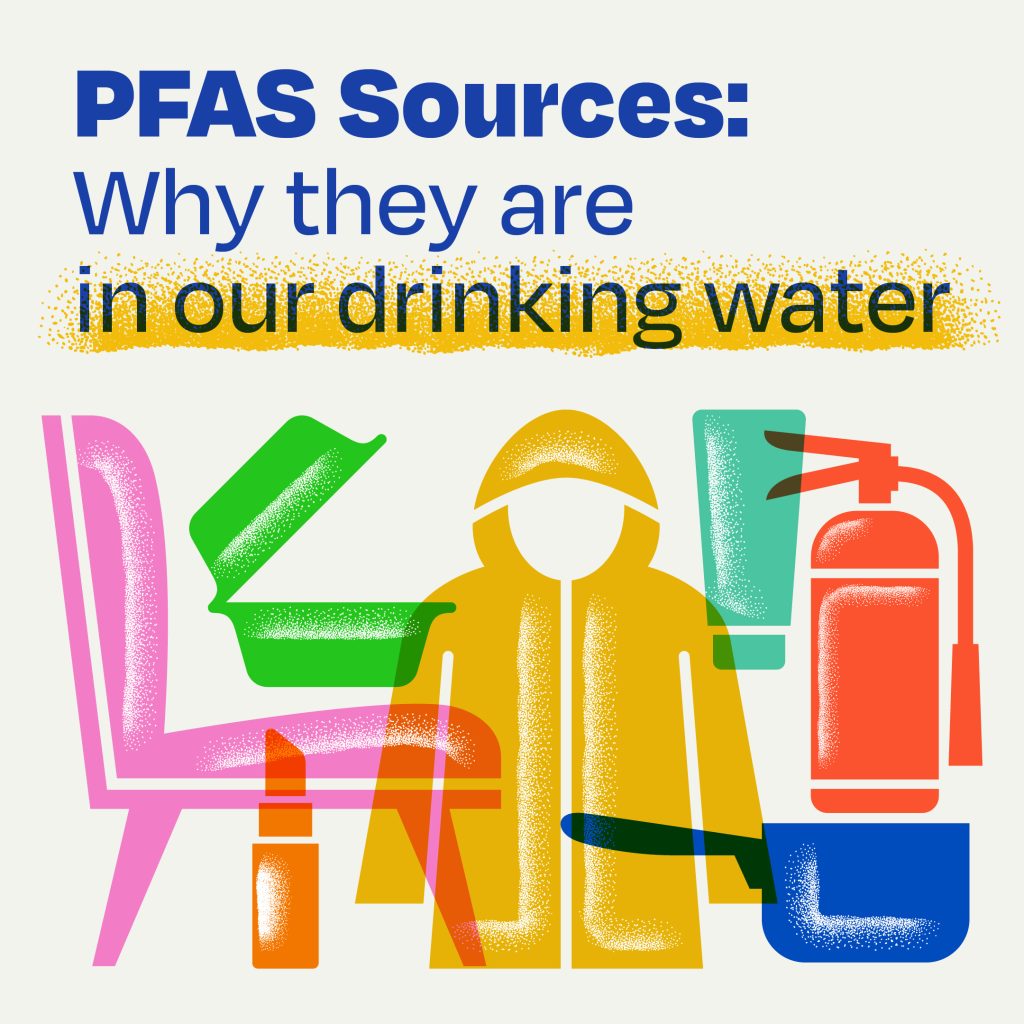
Downloadable images to use in PFAS outreach and communications.
PFAS Efficacy
PFAS Technology
PFAS Sources
PFAS Risk
PFAS Policy
PFAS Affordability
In the News
Searching for Answers on “Forever Chemicals”
September 15, 2025
Reported in “The Commons”, a UW–Madison study reveals what people want to know about PFAS in drinking water and how insights can guide better public health communication.
Research Finds Public PFAs Info Often Lacks Guidance
April 7, 2026
Reported in Mirage News, a new study looks at what kind of information about PFAS is provided by online sources and provides recommendations for public health communicators.
Online PFAS information from public sources can fall short and leave public without enough guidance, study reveals
April 7, 2026
Reported on Phys.org, a new study explores how public sources present information about PFAS and provides recommendations for public health communicators.
The Case for Honest PFAS Communication
April 15, 2026
On the podcast “Let’s Talk Risk”, hosted by the Society for Risk analysis, professor Lyn van Swol and graduate researcher Rachel Hutchins discuss how the public searches for information about PFAS online, and what kind of message framing can be used to motivate action.
Publications
Efficacy and Threat Language in PFAS Messaging
Rachel A. Hutchins, Lyn M. van Swol, Bret R. Shaw, Tim E. Holland, Gavin K. Dehnert
March 31, 2026
Published in Risk Analysis, this paper investigates how the content of websites the public accesses when searching for information about PFAS aligns with risk communication best practices. Findings highlight the difference between established best practices and the available content, providing guidance for communicators to improve their PFAS resources.
Threat and Efficacy in Persuasive Messages About PFAS in Public Drinking Water
Lyn van Swol, Phd, Ika Dai, Bret Shaw, PhD, Gavin Dehnert, PhD, & Rachel A. Hutchins, MSc
February 15, 2026
Published in Science Communication, this paper explores how risk based messages impact behavioral intention, advice, outcomes, and perceived importance. Findings indicate that efficacy cues and tailoring the messaging to the intended audiences readiness for behavioral change are important for effective communication.
Risk and Efficacy in Communication About Contaminants in Drinking Water. In M.P. Teodoro, (ed.), Safe Drinking Water Act: The Next Fifty Years.
Lyn van Swol, Phd, Bret Shaw, PhD, Ika Dai
February 10, 2026
This chapter provides an overview of research on communication of contaminants in drinking water, reviews risk communication and behavior change theories, and provides recommendations on messaging for drinking water communications professionals.
What People in the United States Are Asking About Per- and Polyfluoroalkyl Substances in Their Drinking Water Based on Online Search Behaviors
Timothy E. Holland, MA, Bret R. Shaw, PhD, Rachel Hutchins, MSc, Lyn M. van Swol, PhD, Gavin K. Dehnert, PhD
July 1, 2025
Published in the Journal of Environmental Health, this paper explores which terms are most frequently used to search online for information about PFAS and how people’s search habits can inform effective public health PFAS resources.
This guide was created as part of a collaboration between the University of Wisconsin-Madison Department of Communication Arts, Department of Life Sciences Communication, and the Division of Extension Natural Resources Institute.
Funding Acknowledgement
This study was financially supported by the Illinois-Indiana Sea Grant.