

Wildlife
Wildlife
Wildlife on your land
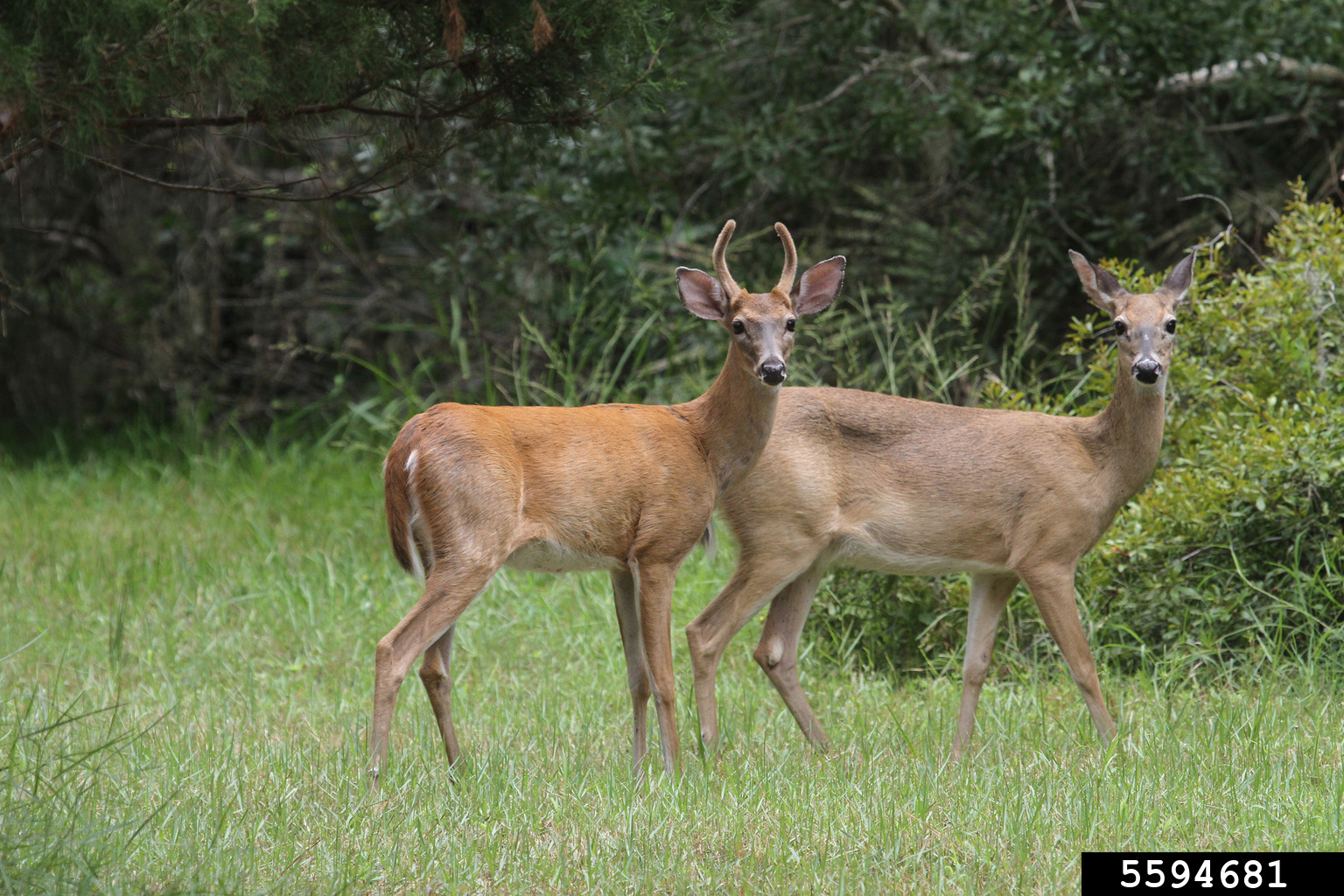
Listening to birdsong and seeing deer and turkeys are some of the joys of stewarding land. Whatever your hopes for wildlife, connect with resources and support to:
- Provide habitat for songbirds, bats, and salamanders.
- Support wildlife that really needs help like turtles and bats.
- Improve hunting experiences.
- Achieve a healthy balance between humans and wildlife.
- Find peers, professionals, and financial support to enhance wildlife habitat.
Set Goals
What wildlife do you want to see more (or less) often? Meet with your family or partners, or block out time on your own, to hear everyone’s goals about wildlife. Whether it’s deer or grouse hunting, habitat for frogs or songbirds, or concerns about wildlife damage, think about your vision for wildlife. Walk the land, talk to others, and think about what needs wildlife themselves have for food and shelter. Wildlife are a shared resource that crosses property boundaries, so it can be helpful to collaborate with neighbors on providing wildlife habitat. Always revisit your goals to make sure they are realistic. Setting goals for wildlife management is essential to create and maintain habitats that support diverse species. Clear objectives help you implement strategies that enhance biodiversity, protect endangered species, and ensure your land remains a sanctuary for wildlife, contributing to a balanced and healthy ecosystem.
Learn
Click here to learn more about managing forests for wildlife . Go on a walk, listen, and look for wildlife signs to map the habitat features – this will help you inventory what is and is not on your property. Wisconsin is home to more than 525 species of birds, mammals, reptiles, and amphibians. Notice how wildlife move across the land and surrounding streams, hills, or valleys. Landowners have the responsibility to be land stewards; explore strategies for conserving wildlife and restoring ecosystems, and take action to support those species facing challenges. Consider becoming a Master Naturalist to learn more.
Connect
Attracting and wildlife watching
Follow or join an organization to find people who also enjoy wildlife. You can find groups online or through social media.
Visit nature centers in Wisconsin
Find a birding group like Southern Wisconsin Bird Alliance or Bluebird Restoration Association of Wisconsin
For wildlife in woodlands, reach out to Wisconsin Woodland Owners Association
Hunting and fishing
Check out classes on Learn to Hunt, learn how to manage your land for wildlife, or join a hunting or fishing group.
Community science
Check out community science opportunities. For instance, volunteer landowners are discovering wildlife and sharing photos through Snapshot Wisconsin, which is a statewide project that monitors wildlife through trail cameras. You can help identify the images and apply to host a trail camera.
Wildlife damage
For concerns about wildlife eating your crops or damaging property, please refer to UW-Madison’s Wildlife Ecology and Damage Management website or check out the DNR’s wildlife damage webpage.
Attend a training or webinar
Find a webinar like Learn About Your Land.
For a deeper dive, attend the annual Coverts workshop, a woodland wildlife Management Program for Private Landowners in Wisconsin and the Midwest.
Plan & Act
Hire a private consultant with wildlife experience for a walk through your land so they can help you read the landscape and make a realistic plan. State DNR wildlife biologists do not generally have the capacity to work with private landowners, but you can reach out to Extension wildlife specialists for technical assistance and programing or nonprofit groups like Pheasants Forever and Ruffed Grouse Society. If you want to manage deer with your neighbors, you can get a management plan and a low-cost walkthrough from DMAP, the Deer Management Assistance Program. Additional programs to consider and plan with wildlife considerations are the Managed Forest Law (MFL), Forest Stewardship Plan, or even Conservation Reserve Program (CRP) State Acres for Wildlife Enhancement (SAFE) planting.
After learning about the species on your property and talking with professional organizations, landowners can create a wildlife management plan. These plans can be tailored to individual properties to meet landowner goals; making goals a reality. The management plan will guide landowners through the steps to improve their land for wildlife, but should be written with short term and long term goals in mind. A decent plan will be made up of goals, objectives, and management actions. Additionally, professionals from any of the linked organizations, particularly those with professional certifications, can provide valuable assistance in developing wildlife plans, ensuring that the biologist or forester involved meets the required standards of their respective professional organization.
Find Funding & Resources
It’s helpful to have money if you want to make bigger changes for wildlife on your land through means like invasive species management, grassland or wetland restoration, tree planting, or timber stand improvement.
- The primary federal agency that can provide technical and financial assistance for installing conservation projects such as improving pasture management or planting native prairie on agricultural land is USDA’s Natural Resources Conservation Service (NRCS) . NRCS offers voluntary Programs and Initiatives to eligible landowners and agricultural producers to provide financial and technical assistance to help manage natural resources in a sustainable manner.
- The Wisconsin Department of Natural Resources (WI DNR) can offer publications and information on planting for wildlife habitats.
- Many organizations can help landowners access this funding, such as Pheasants Forever.
- Partners for Fish and Wildlife program through the U.S. Fish and Wildlife Service can help restore habitat for rare and threatened plants and animals.
Per NRCS Annual Report, 15,495 acres of wildlife and fish conservation were implemented with assistance from program funding by NRCS in Fiscal Year 2023.