

People
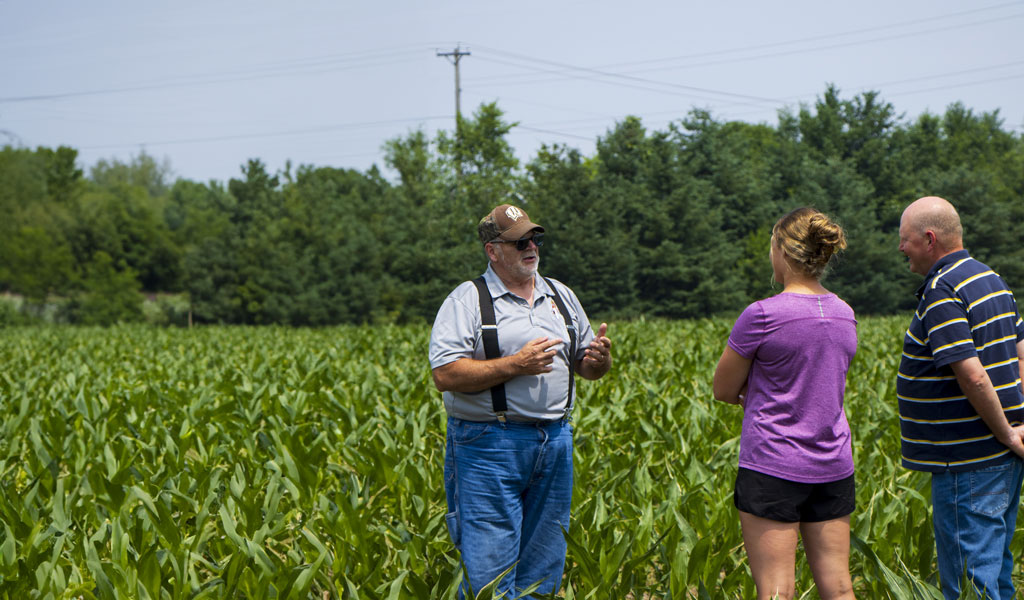
People: Family, Neighbors, & Community
Connecting with family, neighbors, and community on conservation
Stewardship is all about people. From family and friends to neighbors and community, when people work together, we can help the land and make conservation last.
Whatever your hopes for community engagement, connect with resources and support to:
- Foster a sense of community through shared land stewardship activities.
- Provide educational opportunities about sustainable land management.
- Encourage volunteerism and community involvement in stewardship projects.
- Promote health and well-being through outdoor activities and green spaces.
- Connect with local organizations and networks for support and collaboration.
Set Goals
Circle up with your family or partners, or reach out to a neighbor, to consider your conservation goals and expectations for the land. Write down your conservation goals, which might range from fixing an immediate erosion problem to creating long-term soil or forest carbon storage and diverse pollinator and wildlife habitat. Identify where there is agreement and where goals and visions may diverge, and try to agree on common ground.
It’s common for landowners to have multiple goals for their property. Whether it’s improving wildlife habitat, enhancing water quality, or simply enjoying a more peaceful outdoor space, these goals often overlap and can sometimes conflict. Don’t let this overwhelm you! Start by prioritizing your goals based on what matters most to you. Remember, you may not be able to achieve everything at once, but even small steps can make a big difference. Review the pages of this website and learn about the agencies and professionals eager to assist landowners. Setting goals for your land management practices is crucial to align your financial and environmental aspirations. Clear objectives help you plan and implement strategies that balance economic viability with sustainable stewardship, ensuring your land remains productive and healthy for future generations.
Learn
Sometimes landowners get stuck trying to accomplish their conservation vision because they don’t have buy-in from other family members or partners, or they need more support from neighbors or communities to make a difference across a bigger area. Many resources give tips about how to build collaboration, solve problems, and work together even if everyone doesn’t always agree.
Building strong relationships on and off the farm is important when you live and work closely with family. Check out steps on how to have a family meeting.
Farm stress is real, and farmers are taking steps to stay resilient and tap into resources.
Conflict that leads to divorce can significantly impact all parts of life, from finances and stress to land ownership and management. Compounding the stress of divorce, especially in high conflict cases, is the issue of not having enough attorneys in rural areas of Wisconsin.
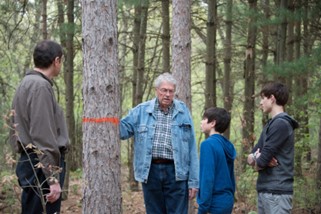
Conflict and cooperation with neighbors
Good fences make good neighbors, or so they say. Disputes over property lines, fences, and land, forest and crop management along property lines can be challenging. Try to bring principles of conflict resolution to your communications, like assuming positive intent and recognizing everyone’s interests. Communicating with neighbors using these principles can prevent problems or keep them from escalating.
Reciprocity and community involvement are important values in rural areas. Consider ways to get involved in local organizations, volunteering to support the community, and local democracy.
Connect
Connect with peers
Connecting with people can also be fun, especially when neighbors share interests like conservation or woodland management. Some peer groups to help with land conservation include:
- Wisconsin Woodland Owners Association (WWOA)
- Wisconsin Women in Conservation (WIWIC)
- Producer-led Watershed Groups
- Citizen Watershed Groups
- Lake Organizations
- Land trusts
- And more, such as organizations listed here
Almost every environmental topic you can think of has a group you can join in Wisconsin! If you don’t see a topic here that interests you, ask people near you for suggestions, or consider doing a quick Google search.
Connect with experts
Your local Extension educator can point you to other groups in your area that share your land management interests.
Plan & Act
When making a plan, consider who needs to be involved. Is everyone who needs to be there present? Did everyone get a written notice of the meeting, if you’re part of an LLC, so the meeting is legally valid? What are your conservation wishes for the future of your land?
While life’s uncertainties can be overwhelming, proactive planning can help ensure your wishes are honored. Take steps toward family and estate planning and farm succession and future business planning to prevent conflict among family members in the future and help ensure that your vision for the future becomes a reality. UW-Madison Extension offers classes such as “Your Land, Your Legacy” which is designed to give landowners and families the tools to make transitions successful, along with a “Protecting Your Legacy” resource around conservation-based estate planning.
Planning for financial and environmental goals
Landowners can achieve a balance between financial stability and environmental stewardship by integrating sustainable practices into their land management plans. Start by conducting a comprehensive assessment of your land’s resources and potential. Develop a clear vision that aligns both financial and environmental objectives, such as enhancing soil health, increasing biodiversity, and generating income through eco-friendly enterprises like agroforestry, organic farming, or ecotourism. Utilize available grants and incentives for conservation practices, and consider working with local conservation organizations for technical and financial support. Regularly monitor and adapt your strategies to ensure they remain effective and sustainable, fostering a resilient and thriving landscape for future generations. For more information, visit the Land Conservation Assistance Network, the Land Trust Alliance, and the USDA conservation planning page.