

Water
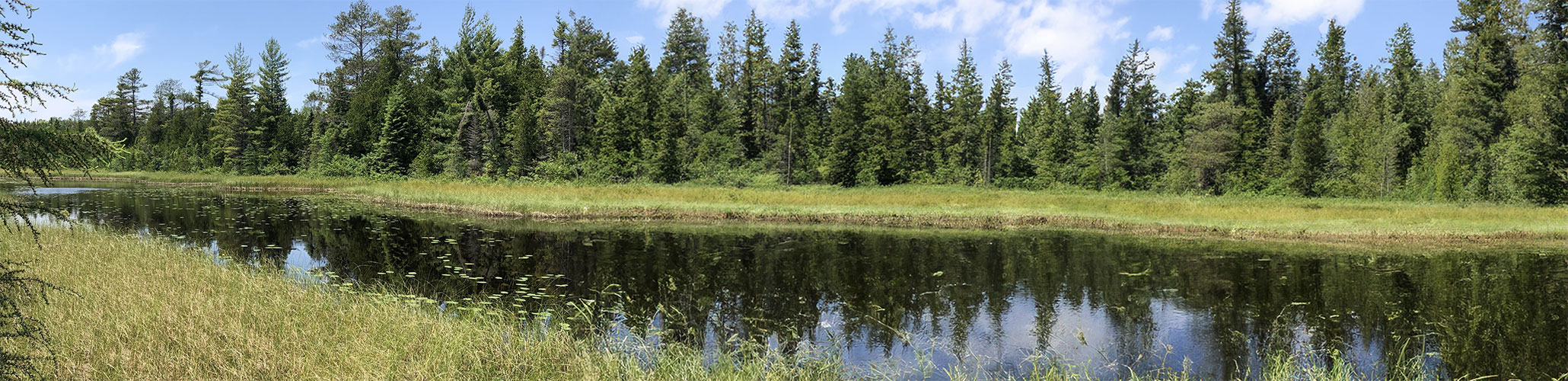
Water
Water and the land
Clean water is a vital source of life in Wisconsin wells, ponds, and streams. Land use choices can impact water quality nearby and in lakes, rivers, and oceans downstream. That’s why we took a look at what landowners can do to find helpful information, connections, information, and funding to reduce soil erosion and keep waters clean.
Whatever your goals for water management, connect with resources and support to:
- Ensure clean and safe drinking water for your family and community.
- Protect and restore natural waterways and wetlands.
- Implement sustainable irrigation practices for crops and gardens.
- Manage stormwater to prevent erosion and flooding.
- Conserve water through efficient usage and innovative technologies.
Set Goals
Talk about water with your family or partners or find time to reflect on your own to get clear about your goals for water quality. Do you have concerns about contaminated drinking water in your well? When you walk the land, do you see signs of soil erosion? Is there bare soil without a living root in the winter? Improving water quality is a long term commitment, so actions taken now and maintained over time can pay off. Setting goals for water management is vital to ensure the sustainability and quality of this precious resource. Clear objectives help you implement practices that conserve water, reduce pollution, and enhance aquatic habitats, ultimately benefiting both your land and the broader ecosystem.
Learn
Drinking water
Rural properties typically use private wells for drinking groundwater. Testing the water from your well can help prevent both acute and chronic illnesses. Check out this interactive map of well water quality to compare water quality between different areas of the state.
How to protect water
Learn about the different kinds of threats to both surface water and groundwater quality and actions you can take to help water, like fixing broken septic systems, keeping plant roots in the ground year round, reducing fertilizer and chemical use, expanding culverts to keep roads from washing out, and protecting your family from chemical contaminants like PFAS. Wisconsin is now seeing more extreme rain events and drought, so it’s important to look for what you can do to help water resources last.
Wetlands
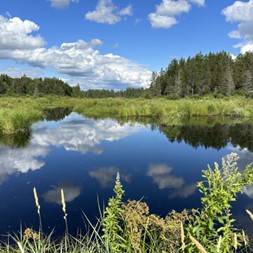
Wetlands soak up water, reduce floods, and create a home for many birds, frogs, and plants. Check out wetland information and guidance for landowners.
How water moves
Learn about how water moves in your region, from the aquifers, springs, and sinkholes, to their hydrology and geology. All land is part of a watershed, or the area that drains into a stream or lake. What watersheds are you in?
Connect
Find a lake or watershed group
The Lake List from Extension shows all the lake districts and associations. Join one of 80 watershed groups in Wisconsin to find other landowners working for clean water. Farmers can find a Producer Led Watershed group.
Help monitor water quality
Contribute to long-term scientific studies by joining the Citizen Lake Monitoring Network or the Water Action Volunteers to help with water quality monitoring. You can join a lake monitoring group for lakes or rivers through university extension.
Talk to neighbors
How high does the water get in a big storm? How are your neighbors managing water? What changes have old-timers noticed? Talk to your neighbors to find out what they are doing to help water quality or manage situations with too much or not enough water.
Connect with experts
Let a specialist know your questions and goals so they can connect you with information, funding, training, and community.
To improve water quality on farmland you rent or manage, start with your county land and water conservation department or agriculture water quality specialists with Extension, or natural resources experts with Extension.
Contact your local USDA Service Center to connect with a Natural Resources Conservation Service (NRCS) or Farm Service Agency (FSA) for help with federal programs to address agricultural water management and floodplain protection.
For wetlands, contact the Wisconsin Wetland Association for resources and experience.
Wisconsin’s four Resource and Conservation Development (RC&Ds) can help you connect to grassworks communities and technical support related to water quality, managed grazing, and forestry. If you’re conducting a timber harvest, find a forester to make sure loggers follow forestry best management practices for water quality.
Plan & Act
With every action, consider the impacts on water in your plan.
It’s helpful to have money for bigger changes to protect water quality on your land, such as fixing broken septic systems, installing riparian buffers, or creating wetland scrapes. Adding trees, well-managed pasture, or prairie also provides water quality benefits.
- The federal agency Natural Resources Conservation Service (NRCS) may offer technical assistance and financial incentives for treating resource concerns through their voluntary Programs and Initiatives to eligible landowners and agricultural producers. They support many water quality practices for farm and forest owners such as cover crops, rotational grazing, nutrient management, buffer strips, waste storage facilities. Their principal program to fund these practices is the Environmental Environmental Quality Incentives Program (EQIP).
- The WI Department of Natural Resources (WI DNR) has the Well Compensation Grant Program which can provide cost sharing for failing septic and wells to eligible landowners.
- Surface and ground water of Wisconsin is monitored by the Wisconsin Department of Agriculture, Trade, and Consumer Protection (DATCP) for pesticides and nitrates and landowners can view annual summary reports of the findings.
- The Conservation Reserve Enhancement Program (CREP) works with agricultural landowners along waterways who are looking to meet their conservation goals.
- Check out programs within your local County Land Conservation Departments for funding opportunities for agricultural practices to improve water quality, like cover crops or wetland restorations and scrapes. Find your county’s contact information here!
Per NRCS Annual Report, 10,076 acres of cropland with soil health and sustainability conservation and 3,562 acres with agricultural irrigation water management conservation were implemented with assistance from program funding by NRCS in Fiscal Year 2023.