

Gardens and Pollinators
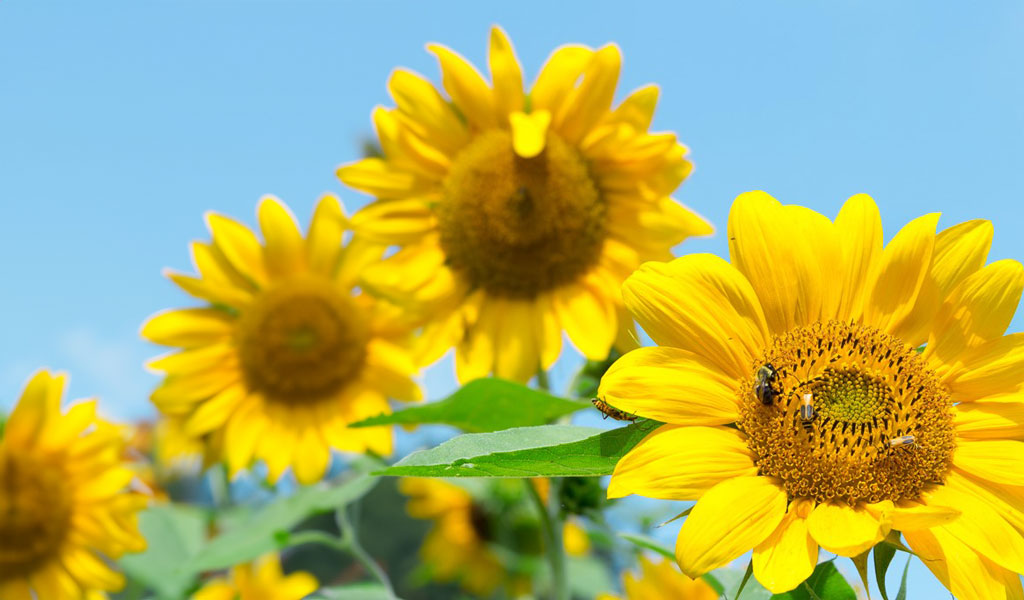
Gardens & Pollinators
Gardens and pollinator protection
Adding native plants, bird and pollinator friendly plantings, and reducing soil erosion are some of the ways to bring conservation into your landscape and gardens. Pollinators can thrive from flowers in gardens and prairies, woodlands, and wetlands which, in turn, will benefit the rest of the plants on your property. But who should you contact to find out how to do this? Where should you start?
Whatever your dreams for gardens and pollinators, connect with resources and support to:
- Create pollinator-friendly gardens with native plants.
- Support bees, butterflies, and other pollinators through habitat creation.
- Implement gardening practices to protect pollinators.
- Educate your community about the importance of pollinators.
- Access resources and grants for pollinator garden projects.
Set Goals
How does conservation shape your landscaping, gardens, and pollinator habitats? Talk with your family and partners and write down your conservation goals, from adding native flowers to meeting specific insect, bird, and wildlife habitat and soil health needs. Before you dramatically change your landscaping or add a garden, think about how these choices can help meet your goals, from beauty and privacy and scenic views, to growing food, to preserving water, soil, and biodiversity. Revisit your goals after talking to others and learning what to expect given your soil, climate. Setting goals for your garden is key to creating a thriving, sustainable space that supports both beauty and biodiversity. Clear objectives help you plan and implement practices that enhance soil health, attract pollinators, and ensure your garden flourishes year-round, providing a sanctuary for both plants and wildlife.
Learn
Start by checking out Extension’s horticulture webpage which covers flowers, vegetables, fruits, lawns, trees and shrubs, and invasive plants. Many of their articles provide advice for organic or low-impact methods, bringing in native plants, and helping pollinators. Conservation and making more environmentally conscious choices are all integral parts of planning your landscaping and gardening. Actions like planting native plants can benefit both the beauty of your property and the survival of pollinators in your area.
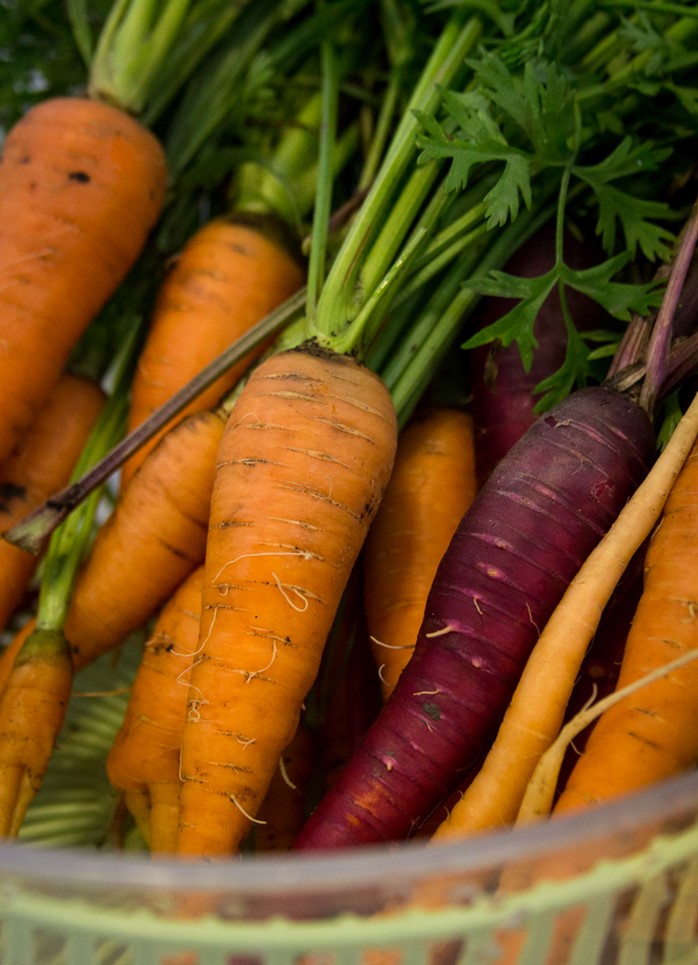
Whether you are a seasoned gardener or just getting started, Extension’s New Gardeners Resources page provides great information about home gardening.
Pollinators
Are you looking to learn more about the pollinators in your area and how you can help them thrive? Check out Extension Horticulture’s pollinator resources. The Wisconsin natural resources agency also has resources about saving Wisconsin’s native pollinators as does the Xerces Society.
Attend a garden walk, training, conference, or webinar
These opportunities can help you expand your knowledge about topics that interest you, whether they’re familiar or new to you. Use the Extension calendar to find events.
Extension Growing and Caring for Plants in Wisconsin: Foundations in Gardening is a program offered yearly in the fall where you can learn about selecting, growing, and maintaining plants.
From soil testing to how to grow specific plants and even what tools to use, Extension’s mini webinars for Wisconsin gardeners are free, online webinars with a Q&A at the end so you can ask experts the questions you have.
Connect
Connect with peers
Neighbors and other landowners can provide great support, and be a source of great ideas. In addition to the networks listed below, you can search on social media and ask peers to find groups. Many communities have garden clubs listed through the National Gardens Clubs website.
Consider becoming a Master Gardener for more in-depth training. Alternatively, some people decide to hire a garden specialist or landscaper for professional advice.
Community science
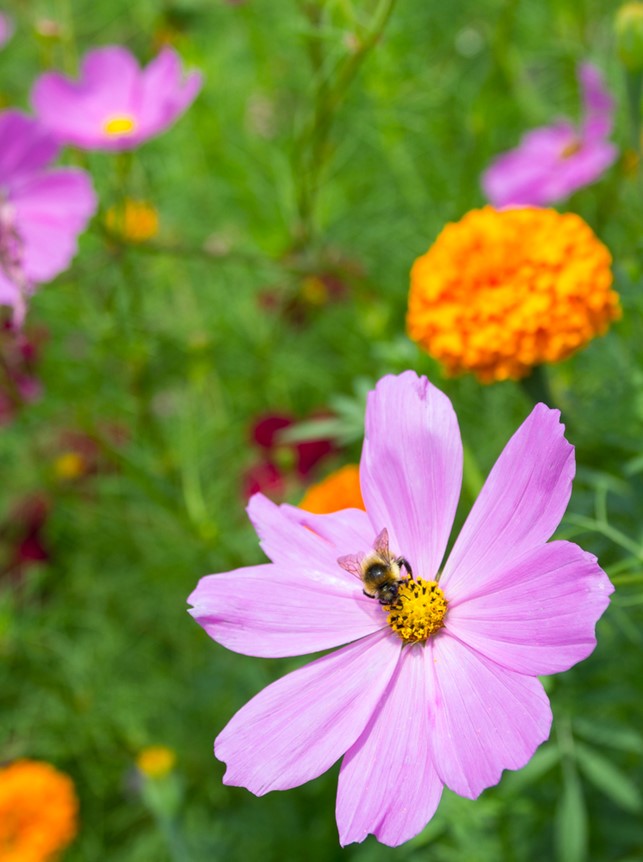
Help scientists learn where pollinators are by reporting your sightings through programs like:
- Journey North for migratory wildlife
- Monarch Watch
- Seek by iNaturalist
- WiBee
- Wisconsin Bumble Bee Brigade
Plan & Act
Think ahead – as shrubs, trees and plants grow, how big will they get, and how far apart will they need to be? Are the species you intend to plant adapted to your climate and soils? Are any of them likely to spread on their own? Are you picking plants that will stay strong in high winds?
After the first year, most native plants do well on their own, but for the first weeks or months after planting they may need special tending, including watering and keeping down competition from weeds.
If you have specific tree and shrub species or varieties in mind, you may have to order them in advance. Figure out where to go for the specific plants you want. Local garden centers don’t always carry a wide selection of native plants, so do some research before you go. You may have to order plants or find a local County and Land and Water conservation sale; reach out to your county and ask when they sell tree saplings. Most of these plants do well when planted in spring, but make sure you figure out when the best time is to plant the species you want.
Planting guides from the Pollinator Partnership provide great resources to learn about plantings that benefit pollinators. Pollinator Partnership is a non-profit 501(c)3 organization dedicated exclusively to the protection and promotion of pollinators and their ecosystems.
If you farm or manage woodland, USDA’s Natural Resources Conservation Service (NRCS) may be able to provide technical or financial assistance for certain landscape related conservation practices like planting trees and shrubs, planting pollinator habitat, or restoring prairie. If you have a Small-Scale or Urban Agricultural Farming operation, you may be eligible for other conservation practices as well. These include, but are not limited to, seasonal high tunnels, low tunnels, irrigation, and composting facilities. Learn more about these conservation practices and funding for Small-Scale & Urban Agriculture Farming in Wisconsin.