

Buildings and Roads
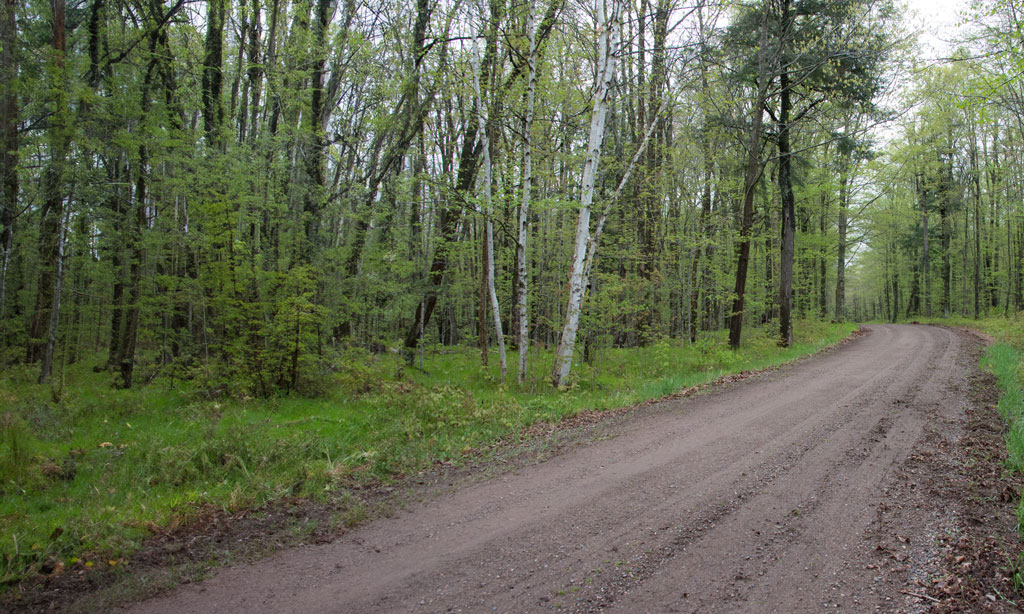
Buildings & Roads
Stewarding buildings and roads on your land
When maintaining or creating structures and roads on your property, it is important to keep in mind all your stewardship goals and get good advice to inform your plan. Planning ahead for long-term maintenance and bigger events like heavy rain or floods can save trouble in the long run. So, how can you start?
Whatever your needs for buildings and roads, connect with resources and support to:
- Design and maintain roads and buildings with minimal environmental impact.
- Connect with officials to learn about rules and regulations in your community.
- Manage stormwater runoff from roads and buildings to protect waterways.
- Use sustainable materials and practices in construction and maintenance.
- Plan for future development with environmental stewardship in mind.
Set Goals
Talk with family or partners and block out some time on your own to get clear about infrastructure plans. Consider how buildings and roads fit into other goals you might also have for wildlife, clean water, and woodlands. Planning ahead can save time, money, and resources – when roads wash out, they create expensive problems and move sediment into streams. Additionally, if you are looking to purchase land, having clear goals can help you buy the right property. Setting goals for the development and maintenance of buildings and roads is essential to understand the impacts of your establishments and enhance the suitability of your buildings. Clear objectives help you plan and implement practices that follow local ordinances, protect your wishes for the future of your land to even helping reduce runoff, improve energy efficiency, and integrate green infrastructure, ensuring your built environment supports a healthy ecosystem.
Learn
Buildings
Read and watch videos about siting and designing buildings to reduce their conservation impacts on water, woods, and wildlife. Use these tips to manage your septic system. Check flood zone maps and be prepared for increasingly large storm events. If you are building near shoreland, learn about shoreland zoning. Check out photos of stormwater best management practices.
Check with your local government about building regulations in your area and what office or department is in charge. Towns, counties, villages, and cities can regulate buildings and roads and issue building permits. Regulations vary quite a bit across Wisconsin.
Roads
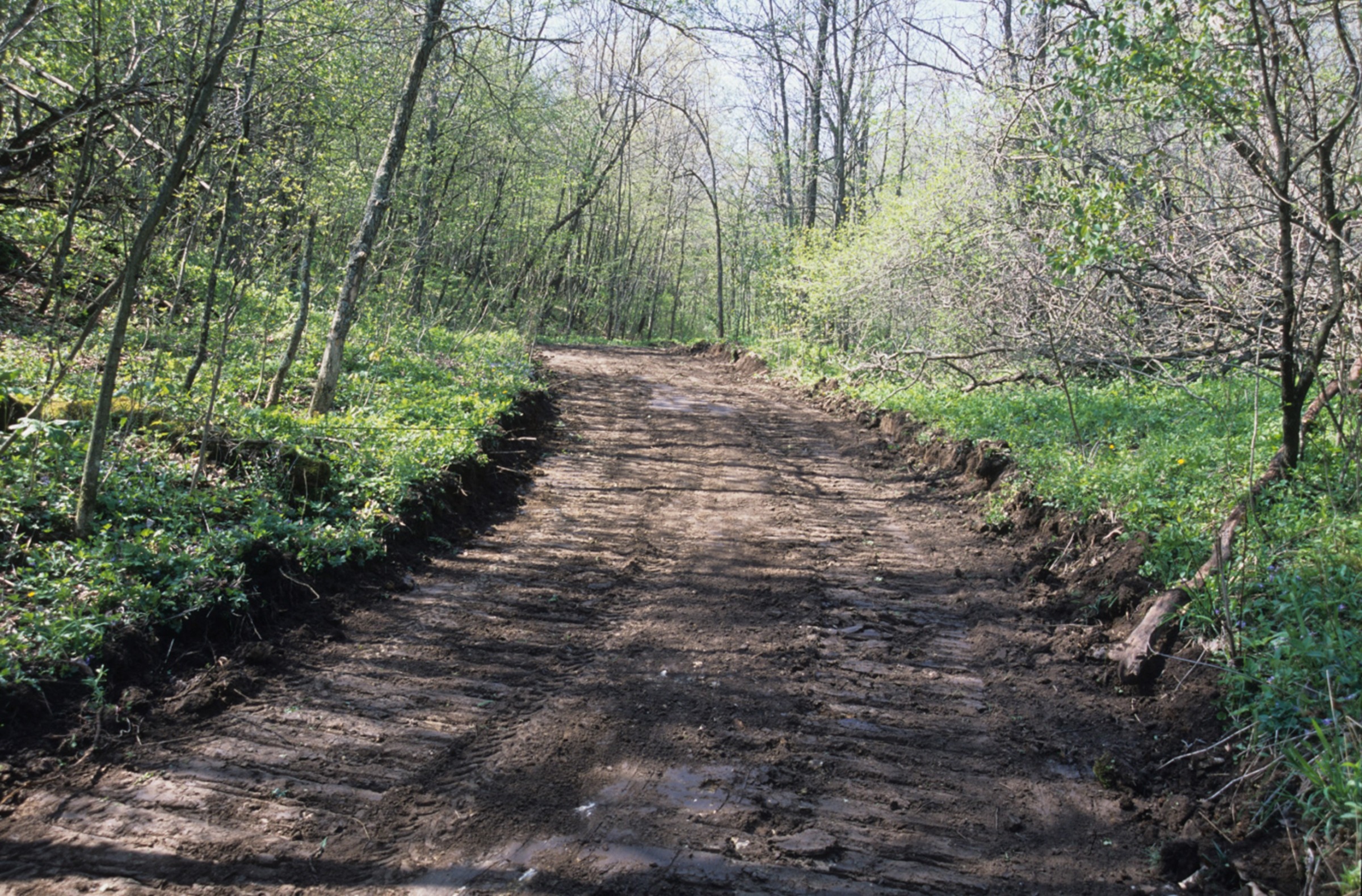
Read and watch videos about how to reduce the length of roads and design them well. To learn about forest roads and water quality, see Chapter 4 of the forestry best management practices for water quality. Attention to location and design can reduce wildlife collisions such as turtle mortality.
Local ordinances
It can be cumbersome to read local ordinances, but they are the most accurate place for understanding local laws about zoning, roads, and dumping. Zoning is designed to meet community goals and reduce incompatible uses through restrictions on where and how building occurs. Ordinances are available at the local county clerk, corporation counsel, or public library, and nearly half of Wisconsin’s county or municipal ordinances are available online.
Connect
Connect with peers
It’s a good idea to check in with the people around you. Be aware of your property boundaries and what your neighbors are planning for their land.
Connect with building and road experts
Building and road construction companies can help pull permits and provide advice on crafting well-designed buildings and roads. You can also get your septic system checked by a certified inspector and consult with a forester for forest roads. Working with someone you trust can make a difference.
Connect with governments for approvals, advice
Each level of government has a different role related to building and roads.
- Find contact information for your county. Counties manage local planning and zoning, soil and water conservation, county forests and parks, and invasive species.
- Find the names of town board members and all your elected officials, by address. You can reach out to town board supervisors to better understand what to be aware of locally, ask questions, and share your perspective.
The Wisconsin Department of Natural Resources helps conserve wetlands under Wisconsin law. Landowners are required to avoid wetlands with their projects whenever possible. For projects that cannot avoid wetlands and involve the placement of material or excavation in wetlands, wetlands permits may be required.
Plan & Act
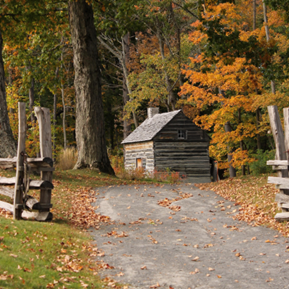
Think about how buildings and roads fit into your plan, and discuss their design and locations with an expert. Planning ahead can save money and reduce overall negative impacts. Here are a few ideas to get started:
- Be sure to get all permits before you begin the project
- Consider using sustainable building materials
- Inspect and maintain your septic system
- Minimize sediment runoff and other environmental impacts during construction
- Engineer roads that can withstand rain conditions with culverts big enough to handle large storms
- Plan for working with or around wetlands, which may have federal, state, and local rules
- Protect high conservation value areas like springs and remnant prairies
- Plan your woodland management to reduce forest loss and create fire breaks
- Design roads that reduce collisions and mortality for turtles and other wildlife