

Woods
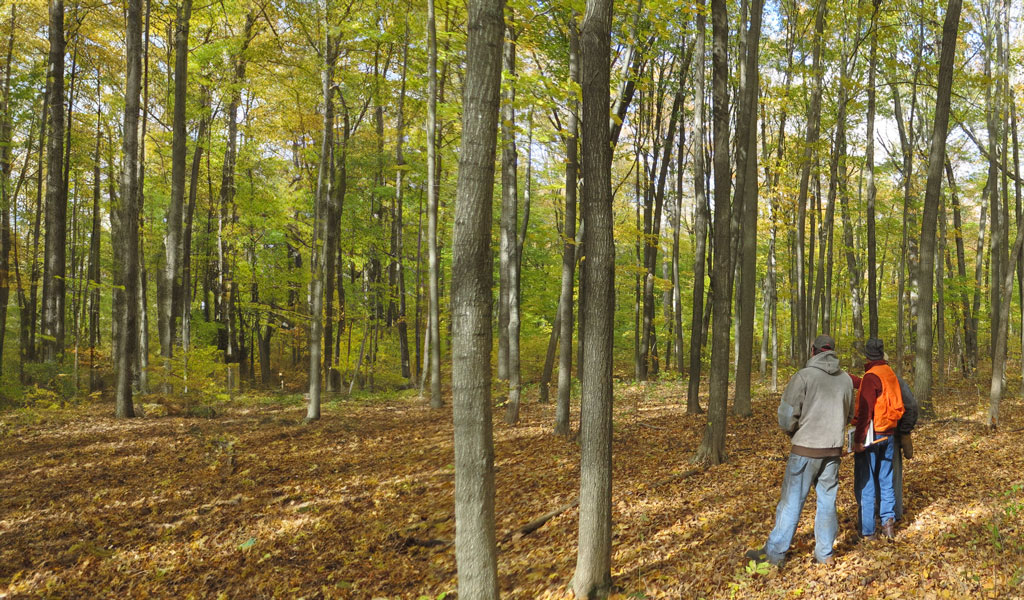
Woods
Woods on your land
Many people and programs help landowners manage their woods. Where should you start? We took a look at what landowners can do to find helpful connections, information, and funding.
Whatever your vision for your woods, connect with resources and support to:
- Maintain healthy forests through sustainable logging practices and reforestation.
- Protect your woods from invasive species and diseases.
- Enhance biodiversity by preserving native plant and animal species.
- Create recreational trails and spaces for family and community enjoyment.
- Utilize forest resources responsibly for firewood, timber, and other products.
Set Goals
From scenic beauty to recreation, wildlife, and financial investment, reflect on your goals for the woods on your land. Make sure to include any partners or family members in the planning. Then, revisit these goals after learning more and connecting with resources to figure out what to expect in your woods given their age and diversity. Establishing goals for your forest management plan allows you to focus on sustainable practices that promote tree health and biodiversity. Clear objectives help you track progress and make informed decisions, ensuring your forest remains resilient and productive for future generations.
Learn
My Wisconsin Woods is a great resource filled with information and connections for anyone with woodlands in Wisconsin. This should be a first stop to get your questions answered.
Take a walk in your woods and see what trees and shrubs live there. Download the Seek app on a phone to identify plants by their leaves.
UW Madison- Extension Forestry program offers Learn About Your Land courses – you can find an upcoming course and find information and connections.
Consider becoming a Master Naturalist in a course that includes woodlands.
Wisconsin Woodland Owner Association (WWOA), Wisconsin Tree Farm Committee, and Wisconsin Chapter of Walnut Council offer opportunities for landowner learning as well as connecting to other woodland owners and professionals.
Connect
Connect with peers
Join the My Wisconsin Woods newsletter or Facebook page or join the Wisconsin Woodland Owners Association to connect with other landowners. Talk to neighbors, friends, and family who own similar land. Take time to learn from others’ experiences.
Connect with experts
Reach out to a professional forester for a walk through your woods so they can uncover its potential for meeting your goals. DNR foresters do a lot of free walkthroughs for woods over 10 acres, but for a full forest management plan, landowners usually hire a private consulting forester. Foresters can help with invasive species, planning for recreation, timber, and carbon, prescribed fires, and mapping your land.
If you are planning a timber harvest, work with your consulting forester to supervise a certified master logger. The right logger can make all the difference in protecting your roads and stream crossings and not bringing in seeds from invasive plants.
Landowners can also utilize the Wisconsin Tree Planting Plan through the Department of Natural Resources (DNR). This Wisconsin-based plan is meant to introduce landowners to the activities involved with planting tree seedlings. This plan, in conjunction with guidance from a forester, will prepare landowners for a successful tree planting project.
Plan & Act
After a walk through the woods, a forester can help write a forest management plan.
Managed Forest Law
Wisconsin has one of the country’s biggest tax incentive programs for forest landowners, called the Managed Forest Law (MFL) program, run by the Wisconsin Department of Natural Resources (DNR). To qualify for property tax reductions, you need an approved management plan that commits you to harvesting the woods according to sustainability guidelines. Timber harvesting provides you with income, supports the timber economy of the state, and provides an incentive to grow the next generation of trees. To qualify for a Managed Forest Law program landowners need to ensure they work with a Certified Plan Writer (CPW) with the DNR.
Find cost share
USDA’s Natural Resources Conservation Service (NRCS) may offer financial incentive for the development of a forest management plan for eligible landowners through the Environmental Quality Incentives Program (EQIP). If you want to qualify for both a forest management plan and a Managed Forest Law (MFL) plan, be sure to work with a forester who is a Technical Service Provider (TSP) with NRCS and a Certified Plan Writer (CPW) with the state DNR. After your forest management plan is written and approved, you could apply for NRCS voluntary Programs and Initiatives to provide financial and technical assistance to implement conservation practices based on management needs identified in your plan.
Through Wisconsin Department of Natural Resources (WI DNR) the Wisconsin Forest Landowner Grand Program (WFLGP) also offers cost share to assist eligible woodland owners in stewarding and protecting their woodlands. Eligibility depends on acreage and having a forest plan in place.
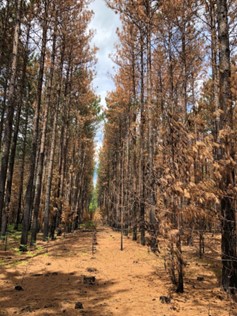
Landowners play important roles as conservation stewards. Here are a few actions to consider to steward your land:
- Remove invasive species such as buckthorn shrubs.
- Plant Wisconsin native trees, berries, and woodland wildflowers.
- Consider a timber harvest to meet your goals, support the timber economy, and promote young forests that provide important wildlife habitat and sequester carbon.
- Reduce soil erosion from woods roads and make culverts large enough for storms.
- Learn about forest health or consider managing some of your woods for older growth characteristics that store carbon over the long term.
- Reduce threats to tree and woodland plants from over-browsing, invasive species, and diseases.
- Ask an expert about a prescribed fire to open up your understory in oak or pine forests, but usually not in maple or wetter forests.
- Leave standing snags (dead trees) for wildlife habitat except when they pose a threat to safety from falling.
- Participate in community science through Seek or other efforts.
- Enjoy the woods!
Per NRCS Annual Report, 152 Forest Management Plans and 139 Forest Stand Improvement projects were implemented with assistance from program funding by NRCS in Fiscal Year 2023.