

Neonicotinoids
Neonicotinoids
What are neonicotinoids
Neonicotinoids, commonly called neonics, are one of the most widely used class of insecticides around the globe. Their name comes from their similarity in shape and function to nicotine. Neonics were first introduced in the 1990s and they were quickly adopted in agriculture. Popular due to their perceived low toxicity to humans and effectiveness against insects, they can be used in a variety of ways such as foliar sprays, soil treatments, topical applications and seed treatments.
Where are they found?
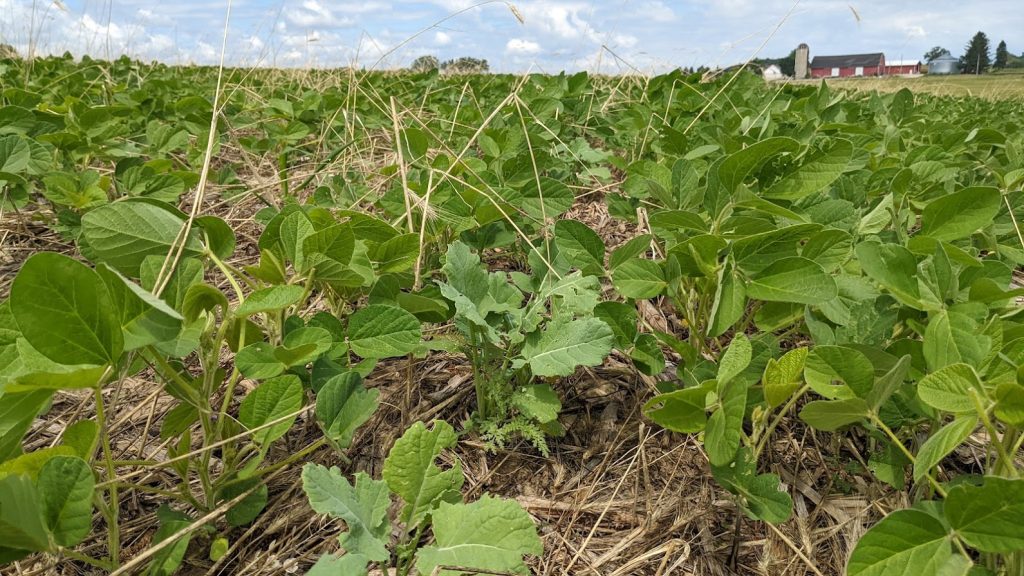
As mentioned above, neonics are used in agriculture. They are commonly applied as a seed coating to corn and soy, but are also used in leafy greens, root vegetables, and orchards. Neonics also have several non-agricultural uses, including pet flea and tick treatments, landscaping applications, and bait for pests. There are five neonics currently currently registered for use in 600 products in Wisconsin: clothianidin, thiamethoxam, imidacloprid, dinetofuran, and acetamiprid.
Primary register uses for neonics
Agriculture
- Clothianidin
- Thiamethoxam
- Imidacloprid
Landscaping
- Dinetofuran
- Acetamiprid
The United States Geological Survey maintains “Pesticide Use Maps” for several neonics, among other pesticides, from 1992 to 2019. These are publicly available, and include estimates for use by year and crop.
Groundwater and Surface Water Testing
Neonics are highly mobile in our environment, as they are water soluble and not as likely to bind to soil. This allows them travel from their point of application through runoff or leaching, and enter nearby groundwater and surface. If you want to learn more about neonics in Wisconsin’s water the Department of Agriculture, Trade, and Consumer Protection has published their summary of groundwater and surface water test results for neonicotinoid insecticides from 2008 through 2016.
Environmental Impacts
Impacts to pollinators
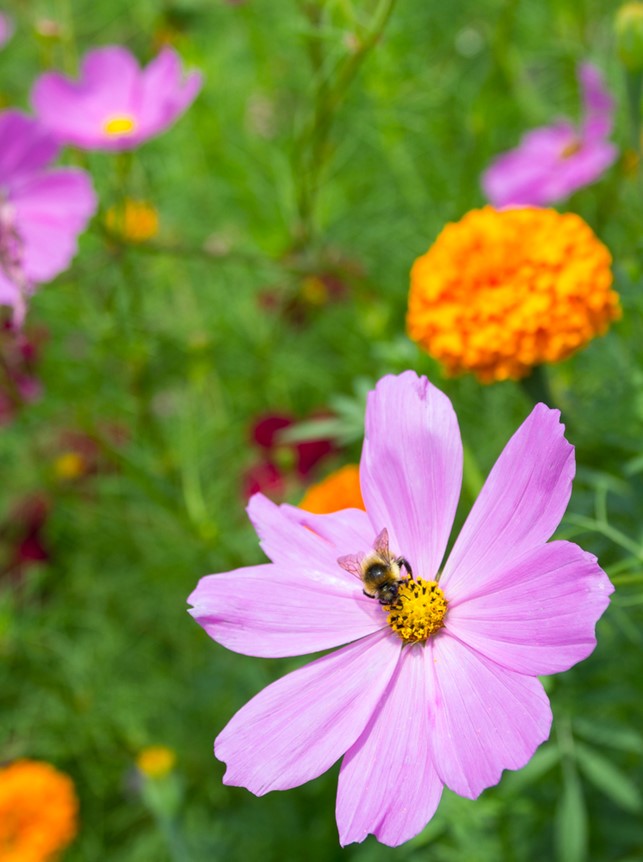
Exposure to neonics at environmentally relevant levels is associated with sublethal impacts to a variety of bee species, including decreased species richness and changes to foraging, reproductive, nesting, and homing behaviors (Crall et al. 2018, Feltham et al. 2014, Fischer et al. 2014, Main et al. 2021, Rundlöf et al. 2015).
Impacts to aquatic organisms
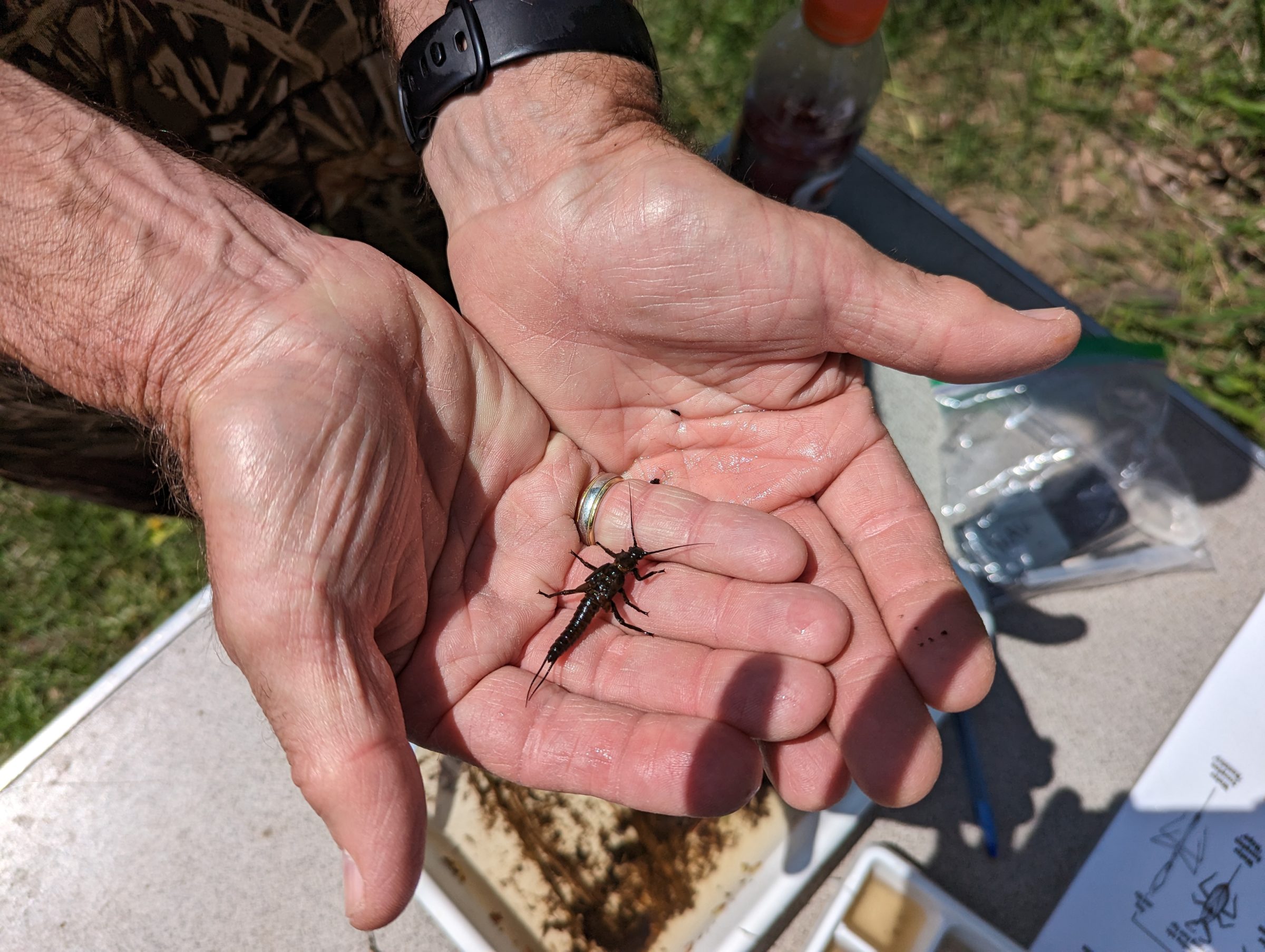
Neonicotinoids are mobile in the environment due to their water solubility, creating risks for non-target organisms beyond bees. Aquatic invertebrates and freshwater fish also face risks from neonicotinoid exposure. Neonic exposure at environmentally relevant levels was associated with decreased macro-invertebrate species abundance, delayed or decreased emergence in mayflies, and changes in fish behavior (Bartlett et al. 2018, Jeninga et al. 2023, Pisa et al. 2015).
Health Risks
There is limited data available about the health risks of exposure to neonics for humans however, according to the Wisconsin Department of Health Services, animal studies indicate that prolonged exposure to high amounts of certain neonics may increase the risk of health impacts. Using this data, the DHS has recommended groundwater standards for the three most commonly detected neonics in Wisconsin’s waters.
Imidacloprid
Exposure to high levels of imidacloprid has been associated with impacts to the thyroid, reproductive health, neurological function, and glucose regulation.
Thiamethoxam
Exposure to high levels of thiamethoxam has been associated with impacts to reproductive health, blood, and liver function.
Clothianidin
Exposure to high levels of clothianidin has been associated with impacts to blood, kidneys, and liver function.
Get Involved
Interested in learning more about neonics or engaging in outreach and education?
Join the Wisconsin Neonicotinoid Work group, co-coordinated by the UW-Madison Division of Extension Natural Resources Institute, The River Alliance of Wisconsin, and Clean Wisconsin. We are dedicated to increasing awareness about neonics and their impact to the environment through education and networking.
Citations
Bartlett, A. J., Hedges, A. M., Intini, K. D., Brown, L. R., Maisonneuve, F. J., Robinson, S. A., Gillis, P. L., de Solla, S. R. 2018 Lethal and sublethal toxicity of neonicotinoid and butenolide insecticides to the mayfly, Hexagenia spp., Environmental Pollution, Volume 238, Pages 63-75, ISSN 0269-7491, https://doi.org/10.1016/j.envpol.2018.03.004.
Crall, J., Switzer, C. M., Oppenheimer, R. L., Ford Versypt, A. N., Dey, B., Brown, A., Eyster, M., Guirén, C., Pierce, N. E., Combes, S. A., De Bivort, B. L. 2018. Neonicotinoid exposure disrupts bumblebee nest behavior, social networks, and thermoregulation. Science 362: 683-686.
Feltham, H., Park, K. & Goulson, D. Field realistic doses of pesticide imidacloprid reduce bumblebee pollen foraging efficiency. Ecotoxicology 23, 317–323 (2014). https://doi.org/10.1007/s10646-014-1189-7
Fischer J, Müller T, Spatz AK, Greggers U, Grünewald B, et al. (2014) Neonicotinoids Interfere with Specific Components of Navigation in Honeybees. PLOS ONE 9(3): e91364. https://doi.org/10.1371/journal.pone.0091364
Jeninga, A., et al. 2023. Chronic Exposure to Environmentally Relevant Concentrations of Imidacloprid Impact Survival and Ecologically Relevant Behaviors of Fathead Minnow Larvae. Environmental Toxicology and Chemistry 42: 2184-2192.
Main, A. R., Webb, E. B., Goyne, K. W., Abney, R., Mengel, D., Impacts of neonicotinoid seed treatments on the wild bee community in agricultural field margins, Science of The Total Environment, Volume 786, 2021, 147299, ISSN 0048-9697, https://doi.org/10.1016/j.scitotenv.2021.147299
Pisa, L.W., Amaral-Rogers, V., Belzunces, L.P. et al. Effects of neonicotinoids and fipronil on non-target invertebrates. Environ Sci Pollut Res 22, 68–102 (2015). https://doi.org/10.1007/s11356-014-3471-xRundlöf, M., Andersson, G., Bommarco, R. et al. Seed coating with a neonicotinoid insecticide negatively affects wild bees. Nature521, 77–80 (2015). https://doi.org/10.1038/nature14420