

Home » Focus Areas » Land and Forest Stewardship – Ecosystem Restoration
Land and Forest Stewardship – Ecosystem Restoration
Land and Forest Stewardship
To support thriving forests and working lands, we provide outreach and education programs supporting private woodland owners, forest products professionals, and conservation professionals. We also partner with towns, cities, villages, and counties across the state to foster collaborative stewardship and restoration ensuring Wisconsinites can make informed land management decisions today and tomorrow.
By Topic
Explore the different ways we support land and forest stewardship throughout the state
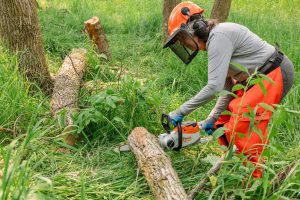
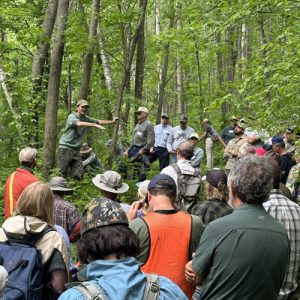
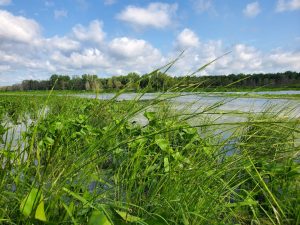
Ecosystem Restoration
Working alongside a wide range of partner organizations, including local governments, schools, and more, we work to steward the land and waters in the watersheds of Lake Superior and Lake Michigan.
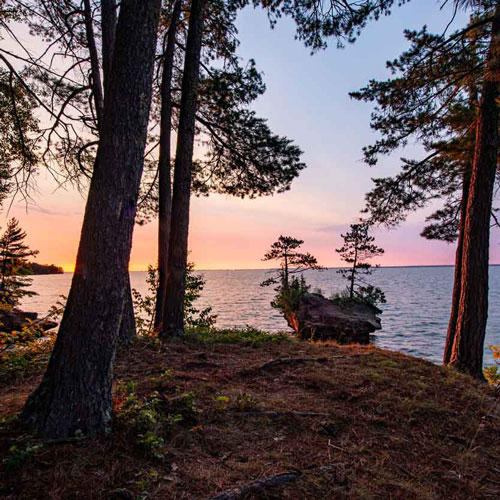
Lake Superior Collaborative
This network of organizations coordinates protection, restoration, and climate resilience efforts in the Wisconsin portion of the Lake Superior watershed. The Collaborative implements innovative, on-the-ground collaborative projects on public and private lands and facilitates information sharing among partners.
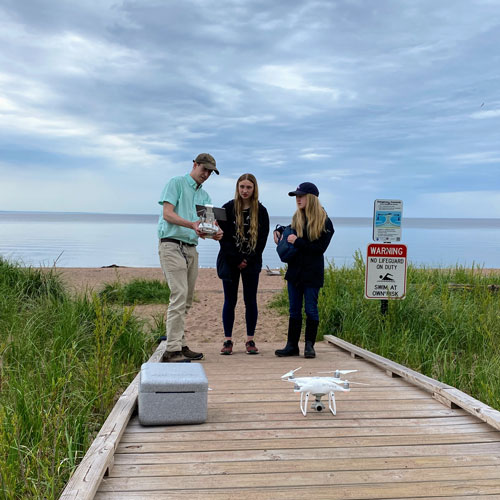
Land Stewardship in the St. Louis River Estuary
The Lake Superior Reserve is a partner in the Manoomin Stewardship Team for the St. Louis River estuary, supporting planning, research, and protection of culturally and ecologically important wild rice beds. As of 2022, the group had re-seeded over 67,000 pounds of Manoomin on 250 acres of wetland.
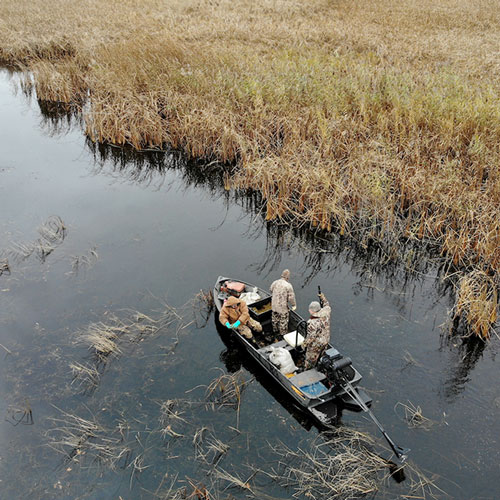
Wild Rice in the Classroom
The Lower Fox River Monitoring Program is a network of teachers and students from high schools in Northeast Wisconsin collaborating with university scientists. Local teachers and K-12 students help conservation efforts by first growing wild rice in the classroom to enhance place-based and experiential learning. Following the classroom experience, resulting Manoomin “plugs” are transplanted to wetland sites.
Featured Resources
Ganawenindiwag (“they take care of each other” in Ojibwe) empowers users to grow, promote, and use plants adapted to coastal areas of Gichigami (Lake Superior) to heal and protect shorelines that may have experienced erosion from storms and changing water levels.