

As the season slouches towards the heart of winter, something else may be scampering into your home—and it’s not holiday cheer. Wildlife seeking shelter during the cold months may find it in the unseen crannies of your home, and as Extension wildlife outreach specialists Jamie Nack and David Drake explain, they can be difficult tenants.
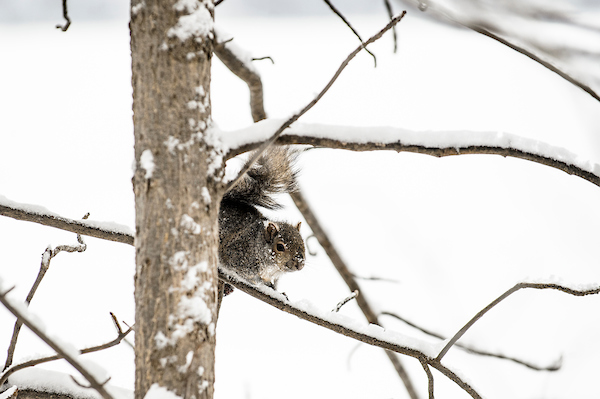
“Mice, squirrels and warm-blooded rodents aren’t very good houseguests and can cause structural damage by gnawing on wood and wires in your home. This is a nuisance and also a potential danger to your family with disease and electrical fires,” says Nack.
Luckily, deterring wildlife from entering your home doesn’t have to be complicated or expensive. Prevention is the best and usually the cheapest option. “Wildlife problems become increasingly difficult to solve once animals have claimed a food source, nest site or shelter,” says Drake.
Taking preventative action can be as simple as performing routine house maintenance. Drake and Nack offer five tips to get started:
1. Seal off entry points
Wildlife enters your home through holes and cracks both great and small. Examine the exterior of your home, paying close attention to the eaves, facia boards and flashing. Are there any holes or cracks? Small holes and cracks may be filled with caulk or expandable foam. If rodents are the animals being excluded, wire mesh or other material that can’t be chewed through may be needed. Larger holes may require you to repair the entire area. Next, examine doors and windows: are they properly sealed? Screens should fit snugly and be without tears and holes. Replace worn weather stripping and caulk or repair as needed. Also be sure to seal around pipes and utility outlets that enter your home.
2. Check the chimney
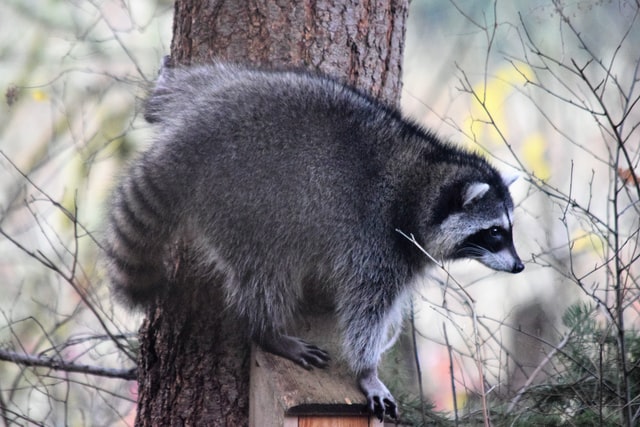
If Santa can fit down it, so can a raccoon. Chimneys are ideal places for wildlife to take shelter during winter. Check the flue for wildlife and install a chimney cap if you haven’t already done so. Caps are ultimately a cheaper alternative than hiring a professional to remove a family of disgruntled raccoons from your chimney.
3. Eliminate jumping-off points
Known for their acrobatic—and sometimes overly optimistic—stunts, squirrels can leap from trees to your roof and gain access to your chimney and attic. To discourage them, remove jumping-off points within 8 feet of your home. This means pruning tree limbs overhanging gutters and roof lines and trimming shrubs that rub against walls, porches or decks.
4. Clean up the house
Nack notes that cleaning up the house and garage may be the best way to prevent wildlife from taking up residence. Put away food and store in sealed, rodent-proof containers—especially pet food. Wipe off counters, tables, and floors and keep trash bags in a sealed trash can. If raccoons regularly overturn and raid your trash, Drake recommends using an elastic shock cord to secure the lid.
5. Clean up the yard
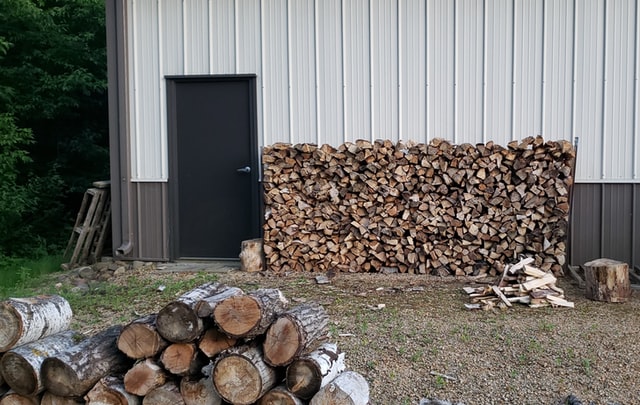
Animals like cover, meaning places they can hide themselves from predators, nest, sleep, feed or travel. Reduce cover by pruning overgrown bushes and removing debris resting against or near the house, such as rock or compost piles, old boards, or bricks. Clean out gutters and downspouts, and if you use firewood, make sure to store it outdoors and away from the house.
To stay ahead of wildlife issues, Nack recommends inspecting the exterior of your home for damage each fall. And while you can take many of these actions yourself, you can always consult a handyperson or a pest control company for assistance.
For more information on how to discourage wildlife from entering your home, consult the Wildlife Ecology & Damage Management factsheets.