

You won’t find ‘Lake Country, Wisconsin’ on any municipality map, but that doesn’t diminish its importance to those who live, work, and play there. The region, encompassing more than 30 lakes largely within Waukesha County, is a hub for water sports, sailing, and fishing, drawing visitors from nearby urban centers like Milwaukee and the Chicago area. Yet, that popularity also brings increased risk of aquatic invasive species or AIS.
“Waukesha is ground zero for aquatic invasive species introductions in Wisconsin,” said Amanda Schmitz, Aquatic Invasive Species Coordinator for the Waukesha County Department of Parks and Land Use. “A lot of times new AIS show up in southeastern Wisconsin first, so we are an initial safeguard for the state.”
To help more Wisconsinites participate in AIS monitoring, UW–Madison Division of Extension’s Natural Resources Institute is once again hosting Aquatic Invasive Species Snapshot Day, an annual, statewide community science event that mobilizes volunteers to monitor lakes, rivers, and wetlands for invasive species. This year’s event is Saturday August 8th and there are events in 25 locations across the state.
Coordinated by UW–Madison Extension in partnership with the Wisconsin Department of Natural Resources (DNR), Water Action Volunteers, and local organizations such as Waukesha County, the event offers hands-on training and real-world impact in just one morning. Participants gather at local sites — including the Bark River in Waukesha — and learn to identify priority invasive species, before heading out to survey shorelines and waterways. Data collected is then verified and used to guide management and early response efforts.
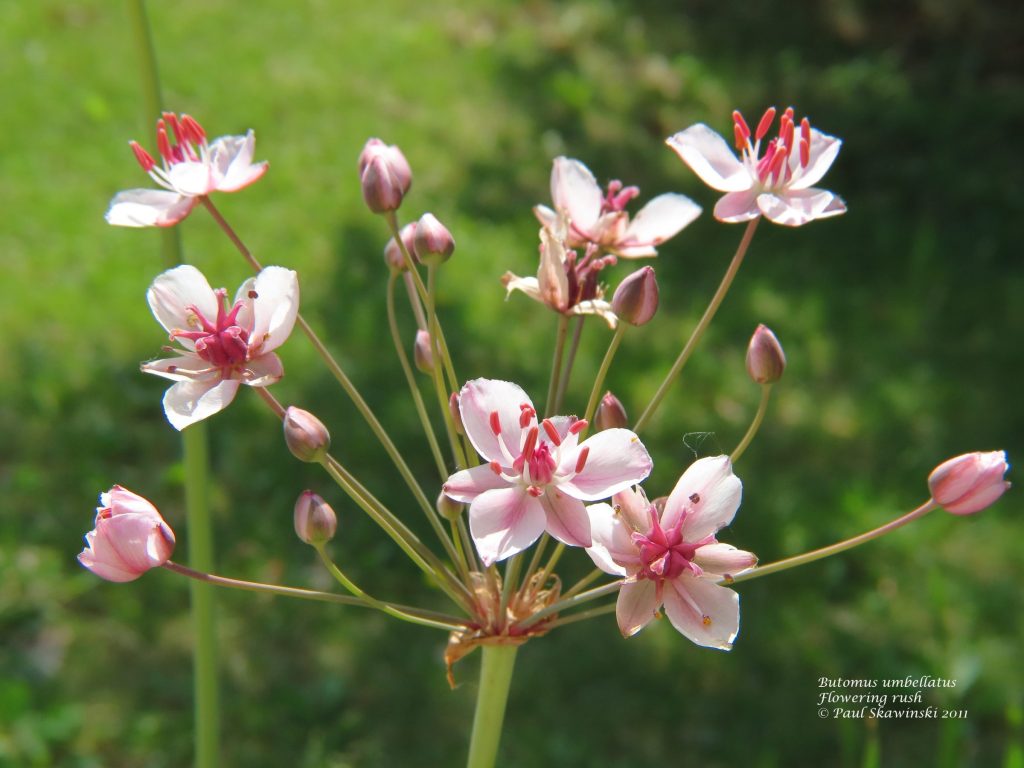
Snapshot Day also helps track emerging threats. Along the Bark River, for instance, volunteers will be monitoring for flowering rush — first detected in the area just a few years ago — and Java water dropwort, a species that is currently uncommon in Wisconsin but has been found along the Bark River in one area the past few years. Early detection is key to limiting their spread and preventing ecological damage.
“If we can intervene early, we can limit long-term impacts,” Schmitz noted. Those impacts can be significant. Aquatic invasive plants can crowd out native species, alter habitat, reduce water clarity, and interfere with recreation such as boating and water sports which are common in the warmer months throughout Lake Country. Fish populations can also be affected – for example spiny water fleas can clump onto fishing lines and other equipment and eat native zooplankton leaving less for young sport fish such as musky and bass.
For volunteers like Dawn Nelesen of Oconomowoc, Snapshot Day is both a meaningful contribution and a personal passion.
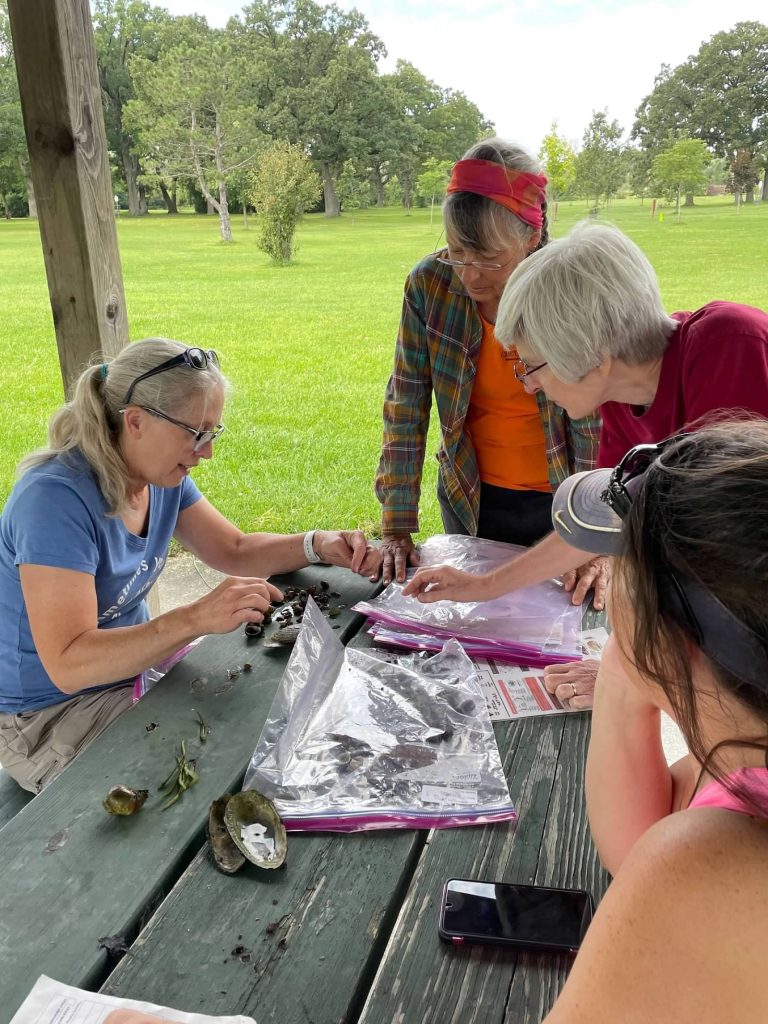
“This will be my fourth year participating,” Nelesen said. “If we find something early — like one patch of an invasive plant along the shoreline — the DNR may be able to remove it before it spreads,” she said. “That could make a huge difference for an entire lake or river.”
Her experiences in the field have also revealed both challenges and hope. While monitoring local waterways, she frequently encounters invasive rusty crayfish, yet she was thrilled to recently document native crayfish and freshwater mussels — indicators of improving ecosystem health.
“That was really exciting,” she said. “It shows that what we’re doing matters.”
That stewardship is especially critical in high-use regions like Lake Country in southeastern Wisconsin or in other areas where dense populations and heavy boating traffic increase the risk of introducing and spreading invasive species between water bodies, such as Madison, Beloit, Door County, and other recreational hotspots in northern Wisconsin.
By combining training, monitoring, and community engagement, Snapshot Day creates a network of informed volunteers who help safeguard our waters throughout the year.
Get Involved
Aquatic Invasive Species Snapshot Day is open to volunteers of all experience levels. Whether you are a seasoned naturalist or simply someone who enjoys spending time outdoors, participation offers a unique opportunity to learn, connect, and make a direct impact on Wisconsin’s natural resources.
Learn more about Snapshot Day, find a local event site, or register to participate today!