

Wisconsin’s forests are more than a defining feature of our landscape—they are a powerful economic driver that supports communities, businesses, and families across the state. The wood products industry employs more than 126,000 people and contributes approximately $42 billion annually to Wisconsin’s economy.
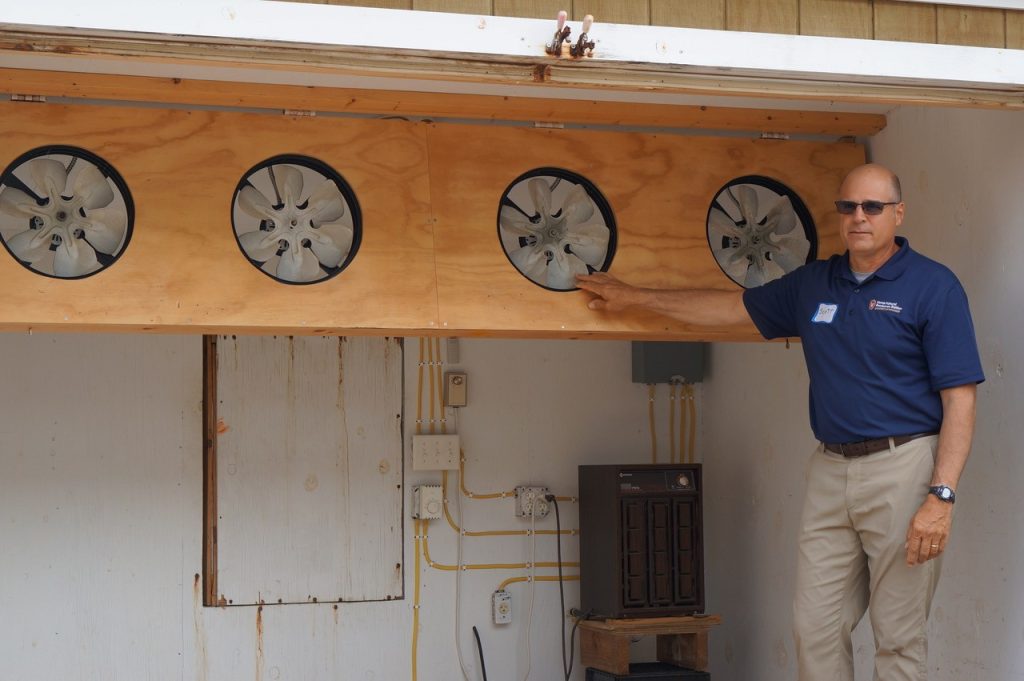
From sawmills and manufacturing facilities to logging operations and forest management organizations, employers across Wisconsin face growing demand for skilled workers. UW–Madison Division of Extension is working to help address this need by offering practical, industry-focused educational opportunities designed to strengthen workforce knowledge and technical expertise.
Extension partners with the Wisconsin Forestry Center, Northcentral Technical College, the Lakes State Lumber Association, and others to offer a number of opportunities that prepare both prospective and current employees for critical roles within primary and secondary wood products operations. These offerings include:
- Forest Operations Workforce Development Training
- Hardwood Lumber Grading Short Course
- Kiln Drying Short Course
- Mill Technology Immersion Course
- Sawing, Edging, and Trimming Short Course
- Wood Industry Teachers Camp
These programs provide participants with hands-on experience and exposure to the latest technologies, best practices, and production methods. Scott Bowe, a Professor and Extension Wood Products Specialist based in Woodruff, Wisconsin, teaches the Kiln Drying, Hardwood Lumber Grading, and Sawing, Edging, and Trimming short courses.
“For each of these courses we are working with wood professionals and helping them ensure they can get the most value of out any product they are working with — both from the perspective of dollars and cents, but also because we want to ensure we get as much utility out of wood resource, an important part of sustainable forestry,” notes Bowe.
In mid-August this year, Scott and partners hosted a three-day Kiln Drying Short Course for professionals who operate lumber kilns. The course brought together sawmill professionals, managers, urban lumber managers, and even wood artisans to learn how to dry wood with as little defect as possible.
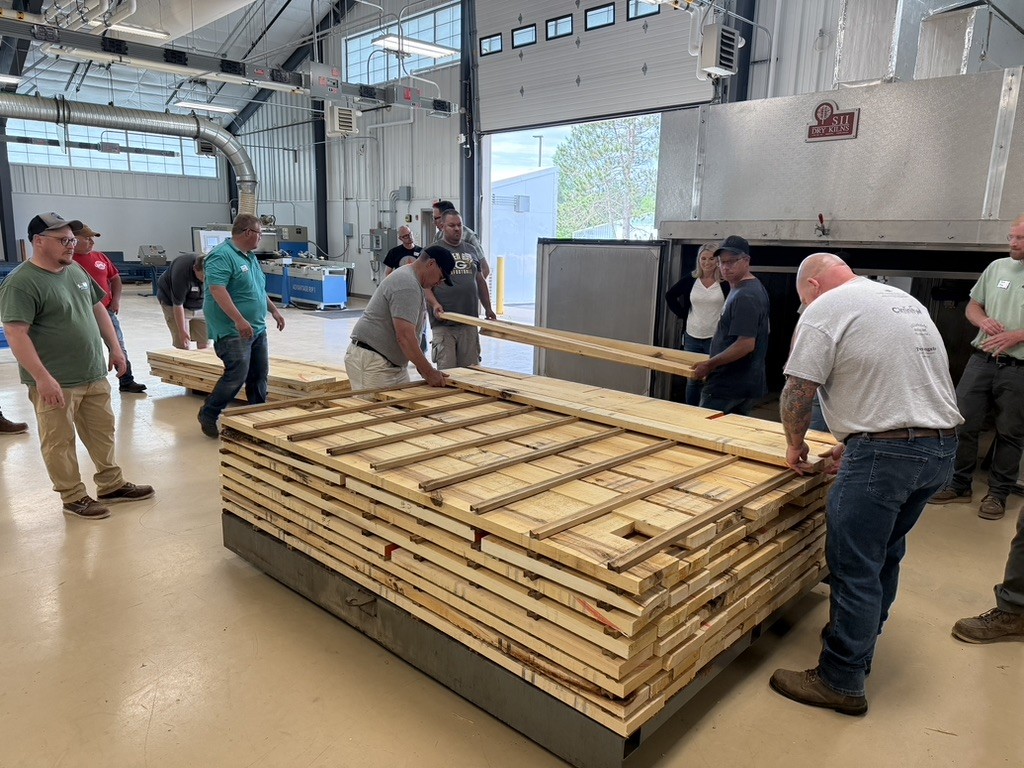
According to Bowe, drying is both an art and a science. “The Dry Kiln Short Course is the most fun course we do all year,” notes Bowe. “Anytime you use any sort of lumber it needs to be dried. Take sugar maple for example. Seventy percent of the weight is water and that needs to be dried to 8 percent. So, we take that green lumber from the sawmill and dry it so it can be used in all types of interior applications.”
In June, Bowe and partners hosted a three-day Hardwood Lumber Grading Short Course in Antigo. Although the course is designed for line-level sawmill workers, attendees included sales, purchasing, and even financial professionals to ensure they better understand the types of grades they are manufacturing, purchasing, and selling.
The Wood Industry Teachers Camp also took place in Antigo this summer and brought 12 high school shop teachers to get hands-on experience working at the state-of-the-art sawmill at Northcentral Technical College. This allows teachers to get real experience doing each job at the mill and see firsthand technological advancements being used in the industry.
“After the camp, teachers leave with a new understanding of the types of jobs available for their students,” says Bowe. “The wood products industry is a large economic driver in the state and a large employer in many counties. Those companies need skilled workers, and shop teachers are often the first to recognize talent and interest in students.”
As the industry continues to evolve, one thing remains clear: Strong forests require a strong workforce. Through hands-on learning, certifications, advanced training opportunities, and collaborative partnerships, Wisconsin is cultivating the talent needed to keep its forests and wood products industry thriving for years to come.