

The Wisconsin Lake Leaders Institute develops leaders to protect our lakes
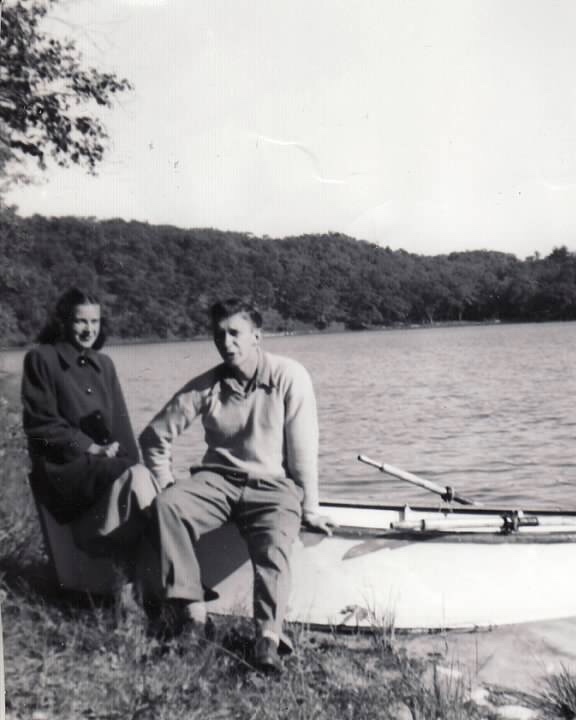
George Ernst has been visiting Gilbert Lake in Waushara County since he was a kid, as did his father and grandfather before him. He first got involved in testing the water quality in his twenties when Gilbert Lake was one of the first lakes in the original DNR Self-Help Lake Monitoring Program. “Even just as a young adult, I got involved in lake testing. I guess it was just in my nature to love nature. I wanted to better understand what was happening below the water surface,” he says.
Now, as a board member of the Gilbert Lake Advancement Association and chair of their Lake Safety Committee, Ernst is focused on helping protect and enhance Gilbert Lake. They have a strong association, with a high membership rate, a lake management plan, and have been self-monitoring since 1985 — all things uncommon to many lake associations. But Ernst knew there was more that could be learned about lake management and protection.
While attending the 2025 Wisconsin Lakes and Rivers Convention organized by the Wisconsin Lakes and Rivers Partnership, George learned about the Wisconsin Lake Leaders Institute coordinated by Extension Lakes, a collaborative program of the Wisconsin Department of Natural Resources, the College of Natural Resources at UW–Stevens Point, and UW–Madison Division of Extension. He knew this was an opportunity to take his knowledge to the next level. “It was perfect timing. I’m recently retired, so I submitted an application,” he says. “I did talk to our board and felt this would be a great way to make connections and continue our own education.”
This continuing education is what the Wisconsin Lake Leaders Institute excels in. Since 1998, the institute has been training people in lake communities to take leadership roles related to lake protection and management. Every other even-numbered year, the Lake Leaders Institute brings cohorts (called crews) together for three seminars held in two-day sessions between May and October.
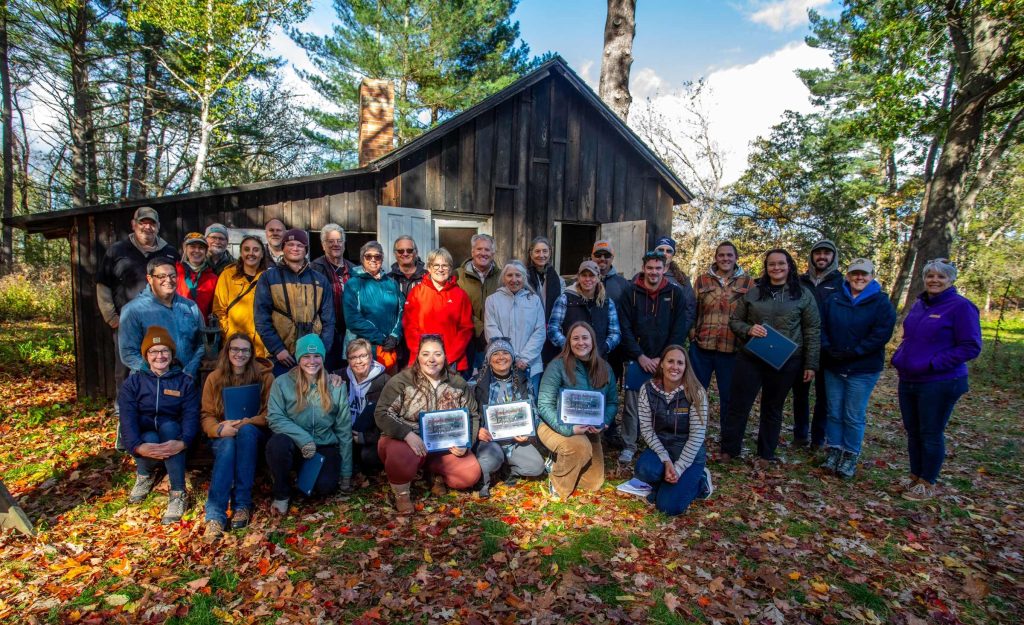
The seminars cover a range of topics, from people skills like citizen advocacy and conflict resolution to technical knowledge of aquatic ecosystems and lake ecology. Instructors come from various backgrounds, including academia, research limnology, the nonprofit sector, and government lobbying. Activities include field trips, personality tests, and on-the-water stations, among others. The institute has now trained over 350 individuals across 16 crews.
Ernst, a graduate of Crew 16 in 2026, speaks enthusiastically about the program. “My lights went on,” he says. “I believe in stewardship, but didn’t really have a path to think about ‘how do we get the next generation going?’ Lake Leaders brought that to us. And they gave us the tools, the connections, the information, and the resources to make a difference.”
One of the highlights was the shoreline sessions during the second seminar, where DNR, university, and county staff were stationed at various parts of a lake providing instruction. “They put us on pontoon boats, and we went out across Tomahawk Lake and met experts on plants, fisheries, groundwater, shoreline protection, and lake monitoring,” Ernst recalls. “Our classroom was on the water, visiting various parts of the Lake. It was very informative, and we had a spectacular day.”
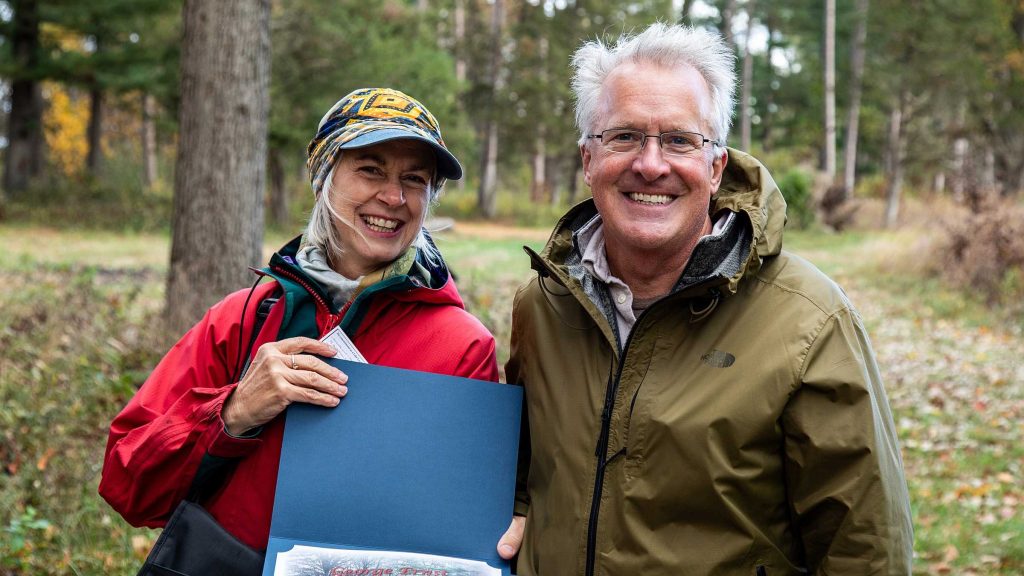
He also stressed the connections he made throughout the seminars. “I know who to call now or can find someone who can connect us with the right resource to help us. Just getting to know people and building relationships is a key outcome of Lake Leaders.”
Ernst plans to use this knowledge to help protect and enhance Gilbert Lake. He wants to ensure the pristine water quality remains for future generations. “In my lifetime the water clarity has been cut in half,” he says. “I don’t want the next generation to say ‘remember when.’ We need to make sure our lake management plan is aligned to protection.” Thanks to the Lake Leaders Institute, Ernst has the knowledge and skills he needs to help ensure that happens.
Nominations for Crew 17 (2028) will be accepted beginning mid-2027. Visit the Wisconsin Lake Leader Institute website to learn more about this opportunity and how you can nominate someone you feel would benefit from this experience.